How to Choose Red Copper, Brass, Bronze & Cupronickel? Key Indicator Comparison
Choosing the right copper alloy for your project can be tricky—after all, red copper, brass, bronze, and cupronickel each have unique properties, advantages, and ideal use cases. Whether you’re prioritizing electrical conductivity, corrosion resistance, cost-effectiveness, or wear resistance, this guide breaks down their key indicators, real-world applications, and grade recommendations in simple, practical terms. No jargon overload—just the info you need to make an informed decision for your next project.
Key Characteristics Comparison of Copper Alloys
First off, let’s get a clear picture of what makes each copper alloy stand out. We’ll break down their composition, color, key performance, and cost—so you can quickly narrow down your options.
1. Red Copper (Pure Copper)
Let’s start with the most basic yet essential one: red copper, which is almost pure copper. It’s widely used in applications where conductivity is non-negotiable.
-
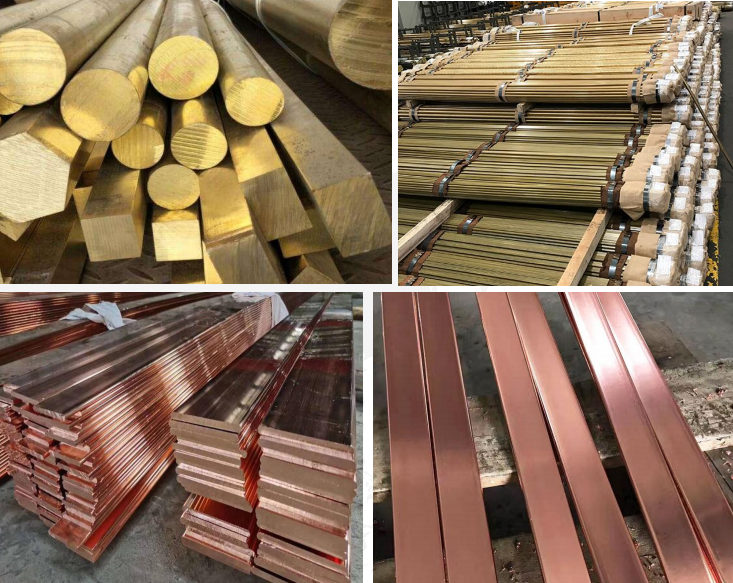
Composition: Copper content ≥99.9%, nearly pure copper with minimal impurities.
-
Color: Reddish-purple (turns dark red when oxidized—this is a normal reaction and doesn’t affect its core performance).
-
Key Performance:
-
Top-tier electrical and thermal conductivity—only second to silver among all metals, making it perfect for conductive applications.
-
Exceptional ductility: It’s easy to process into wires, thin sheets, or complex shapes without breaking.
-
Note: It tends to oxidize and form patina (copper green) in humid environments, so you may need protective coating for long-term use in damp areas.
-
-
Cost: Relatively high (since it’s nearly pure copper, the raw material cost is higher than other copper alloys).
2. Brass (Cu-Zn Alloy)
Brass is the most cost-effective option among the four, and it’s super easy to process—no wonder it’s used in so many everyday and industrial applications.
-
Composition: Copper + zinc (5% to 45% zinc), with optional additions of lead, tin, or other elements to enhance specific properties (like lead for better machinability).
-
Color: Golden yellow—the higher the zinc content, the lighter the color (some high-zinc brass can even look pale yellow).
-
Key Performance:
-
Better strength and hardness than red copper, with moderate wear resistance—great for parts that need a bit of durability.
-
Excellent castability and machinability: It’s easy to cast into complex shapes (like valves or gears) and cut, drill, or mill without much effort.
-
One thing to watch out for: It’s prone to dezincification corrosion, especially in harsh or acidic environments—so avoid using it in unprotected corrosive settings.
-
-
Cost: The lowest among the four copper alloys—ideal if you’re working with a tight budget and don’t need extreme performance.
3. Bronze (Multi-Alloy)
Bronze is the “specialist” of the group—known for its outstanding wear resistance and corrosion resistance, especially in tough environments like marine settings. Unlike traditional bronze (copper-tin alloy), modern bronze often includes aluminum, beryllium, or silicon for enhanced properties.
-
Composition: Traditionally copper-tin alloy; modern bronze may contain aluminum, beryllium, silicon, or other elements to boost performance.
-
Color: Blue-gray (turns dark green when oxidized, similar to red copper but with a deeper hue).
-
Key Performance:
-
High hardness and top-tier wear resistance—especially tin bronze and aluminum bronze, which are perfect for parts that rub against each other (like bearings or gears).
-
Strong resistance to seawater corrosion—making it a go-to for marine applications. Beryllium bronze also has excellent elasticity, great for precision parts.
-
Downside: Poor electrical conductivity overall—beryllium bronze, for example, only has 20%-30% the conductivity of red copper, so it’s not ideal for conductive uses.
-
Casted high-tin bronze is brittle, but wrought (deformed) bronze can be strengthened through processing—so choose the right type based on your manufacturing method.
-
-
Cost: Medium to high—beryllium bronze is particularly expensive due to the high cost of beryllium, but it’s worth it for applications that need extreme wear resistance or elasticity.
4. Cupronickel (Cu-Ni Alloy)
Last but not least, cupronickel is the “corrosion-resistant king”—it’s built to handle the harshest environments, from seawater to acidic chemicals. It’s also non-magnetic, which is a big plus for certain industrial and medical applications.
-
Composition: Copper + nickel (10% to 30% nickel), with optional additions of zinc or manganese to improve performance.
-
Color: Silver-white, similar to stainless steel—so it’s also a good choice if you want a sleek, corrosion-resistant finish.
-
Key Performance:
-
Best corrosion resistance among the four—especially against seawater, acids, and alkalis. It won’t rust or degrade even in long-term exposure to harsh conditions.
-
Medium strength and good cold working performance—easy to form into pipes, sheets, or complex parts without losing its properties.
-
Non-magnetic, which is essential for medical equipment, marine instruments, and other applications where magnetism could cause issues.
-
-
Cost: The highest among the four—nickel is a pricey raw material, so cupronickel is best for applications where corrosion resistance is non-negotiable (and budget is less of a concern).
Copper Alloy Applications & Recommended Grades
Now that you know their key characteristics, let’s dive into where each copper alloy works best—and which grades to choose for your specific project. We’ll keep it simple, so you can match your needs to the right material and grade.
1. Red Copper: The Core Choice for Conductivity & Thermal Transfer
If your project needs top-notch electrical or thermal conductivity, red copper is the way to go. It’s used in everything from electrical cables to heat sinks—anywhere you need to move electricity or heat efficiently.
Typical Applications
-
Electrical wires and cables (household wiring, high-voltage power transmission).
-
Electronic components (circuit board traces, vacuum tube pins, connectors).
-
Heat sinks (CPU heat sinks, automotive radiators, industrial heat exchangers).
Grade Selection
-
T1 (99.95% Cu): For high-demand welded parts that require maximum purity and conductivity (e.g., high-voltage electrical components).
-
T2 (99.90% Cu): The most commonly used grade—perfect for cables, heat exchangers, and general conductive applications (balances performance and cost).
-
T3 (99.70% Cu): For structural pipes or secondary conductive parts where maximum purity isn’t necessary (more cost-effective than T1/T2).
2. Brass: The Versatile, Cost-Effective Workhorse
Brass is the go-to for everyday and industrial parts where cost, machinability, and basic strength are key. It’s affordable, easy to process, and works well for non-corrosive environments.
Typical Applications
-
Plumbing fittings (faucets, valves, pipe connectors—perfect for residential and commercial plumbing).
-
Mechanical parts (gears, rivets, washers, nuts, bolts—used in machinery, appliances, and automotive components).
Grade Selection
-
H62: For load-bearing parts like pins, nuts, and bolts—offers good strength and machinability.
-
H68: The most ductile brass grade—ideal for bullet casings, radiator housings, and parts that need to be bent or formed into complex shapes.
-
HPb59-1: Contains lead for superior machinability—great for screws, nozzles, and parts that require precise cutting or drilling.
3. Bronze: The Specialist for Wear & Corrosion Resistance
Bronze is all about performance in tough conditions—whether it’s wear from moving parts or corrosion from seawater. It’s the ideal choice for specialized applications where standard brass or red copper won’t cut it.
Typical Applications
-
Marine parts (propellers, ship bearings, hull components—resistant to seawater corrosion).
-
Precision parts (watch gears, springs, elastic elements—beryllium bronze offers excellent elasticity and precision).
-
Explosion-proof tools (beryllium bronze is non-sparking, making it safe for use in hazardous environments like oil refineries or chemical plants).
Grade Selection
-
QSn6.5-0.1 (Tin Bronze): For bushings, wear-resistant linings, and bearings—offers exceptional wear resistance and load-bearing capacity.
-
QAl9-4 (Aluminum Bronze): Perfect for marine propellers, gears, and industrial valves—combines high strength, wear resistance, and seawater corrosion resistance.
-
QBe2 (Beryllium Bronze): For precision springs, measuring tools, and explosion-proof components—has excellent elasticity, hardness, and non-sparking properties.
4. Cupronickel: The King of Harsh Environment Corrosion Resistance
When corrosion resistance is your top priority—especially in seawater, chemicals, or medical settings—cupronickel is the only way to go. It’s more expensive, but it will last longer and perform better in harsh conditions than any other copper alloy.
Typical Applications
-
Marine engineering (seawater pipes, condensers, offshore platform components—resistant to saltwater corrosion).
-
Chemical equipment (reaction vessels, corrosion-resistant pipes, pumps—handles acids, alkalis, and other harsh chemicals).
-
Non-implantable medical devices (stethoscope heads, instrument housings—non-magnetic, corrosion-resistant, and biocompatible).
Grade Selection
-
B19: For marine instrument parts and small components—offers good corrosion resistance and machinability.
-
B30: The most corrosion-resistant cupronickel grade—ideal for seawater desalination equipment, offshore pipelines, and other harsh marine applications.
-
BZn18-18 (Zinc-Cupronickel): For instrument parts, daily necessities, and decorative components—combines corrosion resistance with a sleek, silver-white finish.
Final Selection Tips (Quick Reference)
Still unsure which copper alloy to choose? Here’s a quick cheat sheet to help you decide:
-
Need maximum conductivity/thermal transfer? Go with red copper (T2 is the most versatile).
-
On a budget and need easy processing? Choose brass (H62 for general parts, HPb59-1 for machined parts).
-
Working in marine or high-wear environments? Bronze (QAl9-4 for marine, QBe2 for precision).
-
Harsh corrosion (seawater/chemicals) or non-magnetic needs? Cupronickel (B30 for maximum corrosion resistance).
At the end of the day, the best copper alloy depends on your specific project requirements—performance, budget, and environment all play a role. If you need help selecting the right grade or customizing copper alloy products for your application, feel free to contact us. We’re here to provide professional advice and high-quality copper alloy solutions tailored to your needs!