Aluminum Alloy Classification: Series 1xxx to 9xxx – Properties and Typical Applications
Aluminum alloys are widely used in aerospace, automotive, construction, packaging, and industrial equipment industries due to their lightweight, high strength, excellent corrosion resistance, and superior processability. Understanding the classification, properties, and typical applications of aluminum alloy series 1xxx to 9xxx is crucial for selecting the right material for your project. This article provides a detailed overview of each series, helping you make informed purchasing and application decisions.
1. Definition of Aluminum and Aluminum Alloys
1.1 Aluminum
Aluminum is a silvery-white light metal with a low density of approximately 2.7 g/cm³, boasting excellent electrical and thermal conductivity. It is chemically active and easily reacts with oxygen in the air to form a dense oxide film, which prevents further oxidation and endows aluminum with certain corrosion resistance. According to purity, aluminum can be divided into high-purity aluminum (Al≥99.999%), industrial high-purity aluminum (Al≥99.90%), and commercial pure aluminum (Al≥99.00%). In the wrought aluminum and aluminum alloy designation system, commercial pure aluminum belongs to the 1xxx series.
1.2 Aluminum Alloys
In most cases, commercial pure aluminum cannot meet the performance requirements of various service conditions due to its limited strength. Therefore, aluminum is usually used as the matrix, and a small amount of one or more metal elements (such as copper, magnesium, zinc, silicon, manganese, etc.) or non-metallic elements are added to significantly improve its performance through alloying. Aluminum alloys have the characteristics of high specific strength and specific stiffness, good elasticity and plasticity, excellent impact resistance, as well as superior forming and processing properties, which can be subjected to precision casting and powder metallurgy forming.
2. Classification of Aluminum and Aluminum Alloy Products
Aluminum and aluminum alloy products are classified according to their processing methods and shapes, covering a wide range of applications. The main product categories are as follows:
2.1 Wrought Aluminum and Aluminum Alloy Products
-
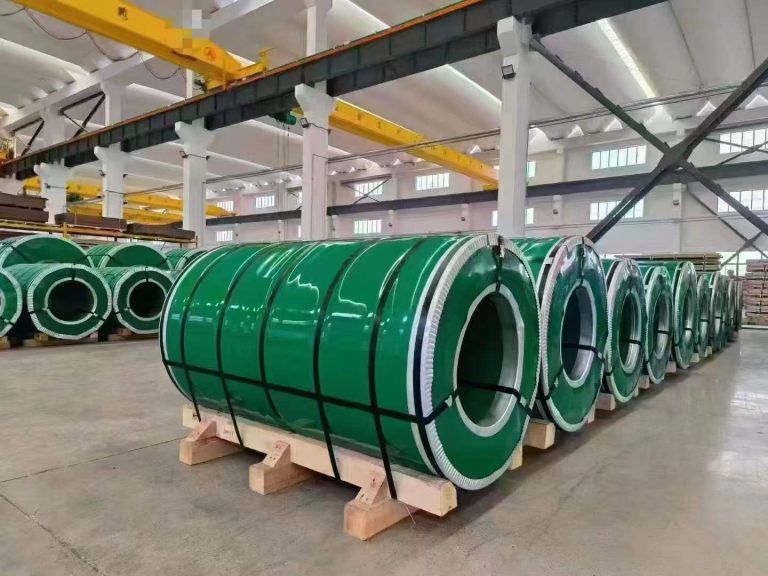
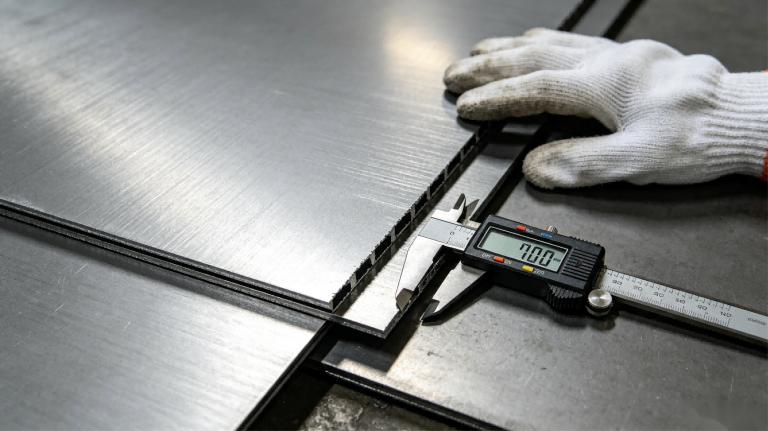
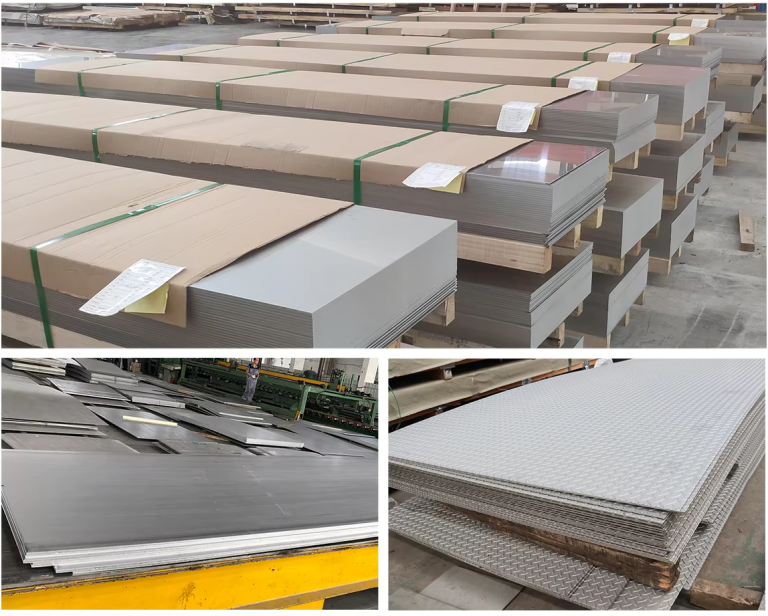
Plates: Thin plate, thick plate, master plate, hot-rolled plate, cold-rolled plate, cast-rolled plate, clad aluminum plate, brazing plate, corrugated plate, profiled plate, embossed plate, checkered plate
-
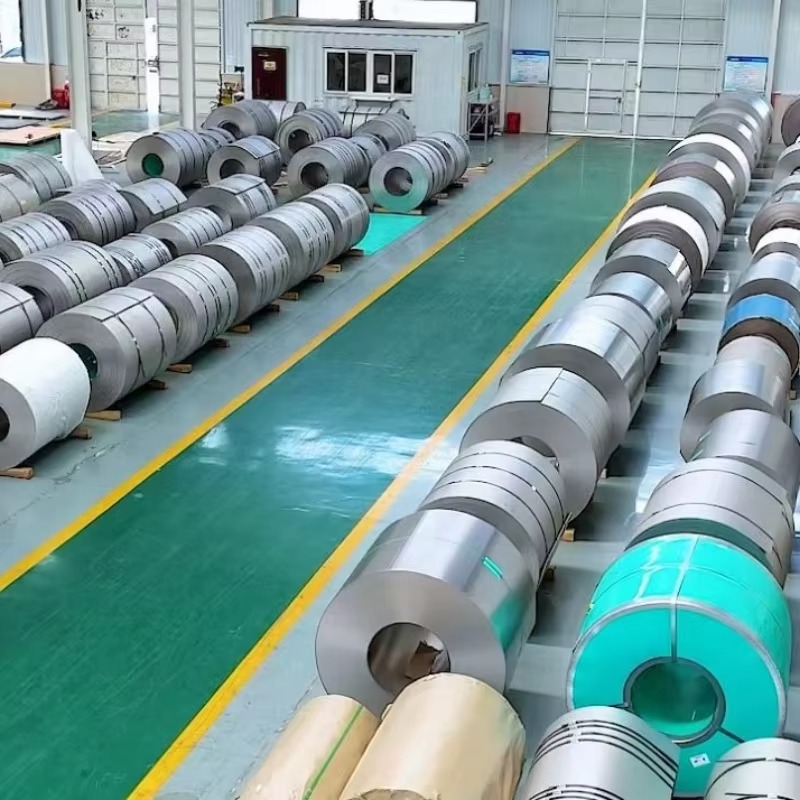
Strips: Master strip, hot-rolled strip, cold-rolled strip, brazing strip, cast-rolled strip, continuous casting and rolling strip
-
Foils: Non-zero foil, single-zero foil, double-zero foil, embossed foil, single-sided bright aluminum foil, double-sided bright aluminum foil
-
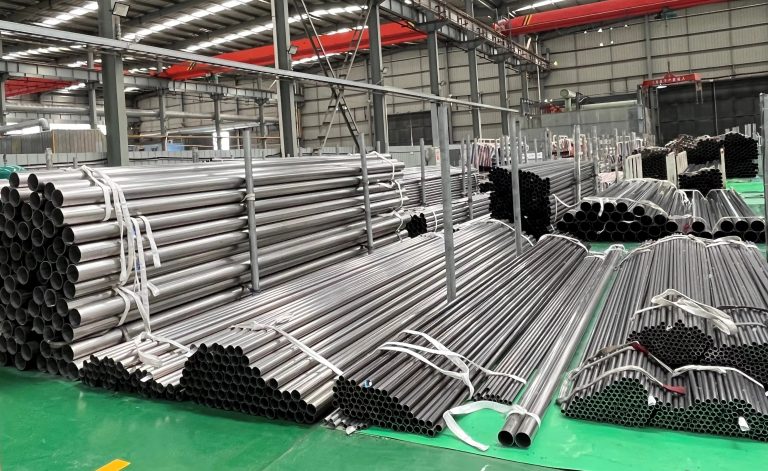
Tubes: Seamless tube, seamed tube, extruded tube, drawn tube, rolled tube, spun tube, forged tube, embossed tube, variable cross-section tube, welded tube
-
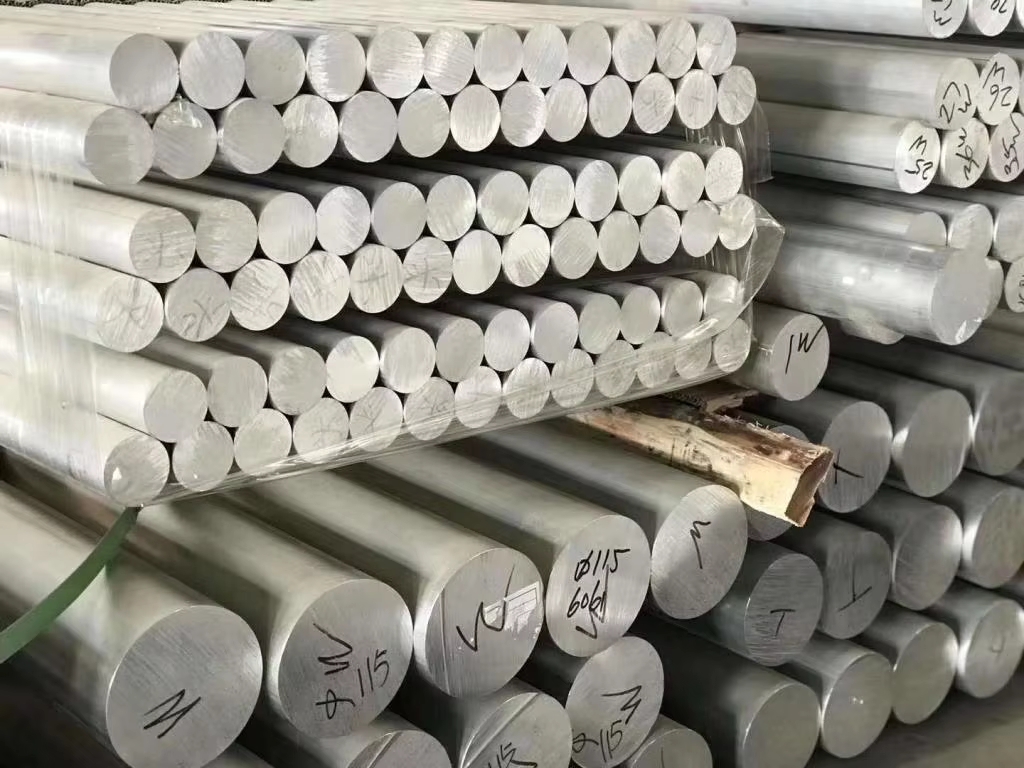
Bars: Extruded bar, drawn bar, rolled bar
-
Wires: Extruded wire, drawn wire, continuous casting and rolling wire, stranded wire, twisted wire
-
Profiles: Hollow profile, solid profile, multi-hole micro-channel flat tube profile
-
Forgings: Cross forging, free forging, rolled ring
3. Detailed Introduction to Aluminum Alloy Series 1xxx to 9xxx
Aluminum alloys are classified into 9 series (1xxx to 9xxx) based on their main alloying elements. Each series has unique properties and application scenarios, which are detailed below:
|
Alloy Group
|
Designation Series
|
Main Alloying Element
|
|---|---|---|
|
Commercial Pure Aluminum (Al≥99.00%)
|
1xxx
|
Aluminum (purity ≥99.00%)
|
|
Aluminum Alloys with Cu as the Main Alloying Element
|
2xxx
|
Copper (Cu)
|
|
Aluminum Alloys with Mn as the Main Alloying Element
|
3xxx
|
Manganese (Mn)
|
|
Aluminum Alloys with Si as the Main Alloying Element
|
4xxx
|
Silicon (Si)
|
|
Aluminum Alloys with Mg as the Main Alloying Element
|
5xxx
|
Magnesium (Mg)
|
|
Aluminum Alloys with Mg and Si as Main Alloying Elements (Reinforced by Mg₂Si Phase)
|
6xxx
|
Magnesium (Mg) & Silicon (Si)
|
|
Aluminum Alloys with Zn as the Main Alloying Element
|
7xxx
|
Zinc (Zn)
|
|
Aluminum Alloys with Other Alloys as Main Alloying Elements
|
8xxx
|
Lithium (Li), Iron (Fe), etc.
|
|
Reserved Alloy Group
|
9xxx
|
To be defined
|
3.1 1xxx Series Aluminum Alloy: Properties and Applications
The 1xxx series is the highest purity aluminum alloy series, with an aluminum content of ≥99.00%. Typical grades include 1050, 1070, and 1100. It is one of the most widely used aluminum alloys due to its excellent corrosion resistance and processability.
Physical and Chemical Properties
-
Density: Approximately 2.7 g/cm³, with obvious lightweight advantages, suitable for weight-sensitive applications.
-
Electrical/Thermal Conductivity: Electrical conductivity reaches 61% IACS, and thermal conductivity reaches 50% IACS, making it ideal for cables, heat sinks, and other electrical and thermal conductivity components.
-
Corrosion Resistance: A dense oxide film is formed on the surface, providing excellent corrosion resistance, especially in neutral and weak corrosive environments.
Processing and Forming Properties
-
Formability: It has good plasticity, is easy to roll, extrude, and stretch, with small springback, suitable for processing complex parts and thin-walled products.
-
Surface Treatment: It can be anodized (to enhance corrosion resistance and decoration), electroplated, and sprayed to meet different aesthetic and functional requirements.
Typical Applications
-
1100 Aluminum Alloy: Beverage cans, food packaging, kitchen utensils, and heat exchangers.
-
1050/1070 Aluminum Alloy: Cable sheaths, architectural decorative panels, heat sinks, and electronic equipment casings.
-
Other Fields: Automotive lightweight components, chemical pipelines (with low corrosion requirements), and optical reflectors.
3.2 2xxx Series Aluminum Alloy: Properties and Applications
The 2xxx series aluminum alloy takes copper (3~5%) as the main alloying element, with typical grades including 2014 and 2024. It is famous for its high strength and good processing performance, and is widely used in high-strength structural parts.
Physical and Mechanical Properties
-
Density: Approximately 2.78 g/cm³, slightly higher than 1xxx series due to the addition of copper.
-
Strength: The tensile strength (σb) can reach more than 400 MPa, and can be further improved through solution + aging heat treatment, making it one of the high-strength aluminum alloy series.
-
Electrical/Thermal Conductivity: Electrical conductivity is about 40% IACS, which is lower than 1xxx series but meets the basic requirements of most structural parts.
-
Hardness and Processing: Copper elements strengthen the matrix, with strong work hardening ability, and cold processing can further improve strength.
Corrosion Resistance and Limitations
The corrosion resistance of 2xxx series aluminum alloy is relatively poor: it is prone to intergranular corrosion, especially after welding or heat treatment. Therefore, protective measures (such as special welding processes, anti-corrosion coating, etc.) are required when used in corrosive environments. It is not suitable for unprotected corrosive environments, but its high-strength advantage is irreplaceable in specific fields.
Typical Applications
-
Aerospace Field: 2024 alloy is used for aircraft wing spars, engine pistons, and other structural parts; 2014 alloy is suitable for aircraft forgings and thick plates.
-
Transportation: High-speed train structural parts, automotive high-strength components (such as engine brackets and chassis parts).
-
Industrial Components: Mechanical parts requiring high strength and processing performance, such as precision forging parts and tooling.
3.3 3xxx Series Aluminum Alloy: Properties and Applications
The 3xxx series aluminum alloy takes manganese (1.0~1.5%) as the main alloying element, with typical grades including 3003 and 3105. It combines good rust resistance and processing performance, and is a cost-effective general-purpose aluminum alloy.
Physical and Mechanical Properties
-
Density: Approximately 2.7 g/cm³, maintaining the lightweight advantage of aluminum.
-
Strength: Tensile strength (σb) is 200~300 MPa, which is higher than 1xxx series and suitable for medium-strength applications.
-
Electrical/Thermal Conductivity: Electrical conductivity is about 30% IACS, which is suitable for non-high-conductivity requirements.
-
Processing Performance: Suitable for rolling, extrusion, and other processes, with excellent welding performance, which can be welded by various methods (such as argon arc welding, resistance welding).
Corrosion Resistance and Advantages
Manganese elements significantly improve the rust resistance of 3xxx series aluminum alloy, which is better than 1xxx and 2xxx series in humid or chemical environments. It maintains the lightweight advantage of aluminum and is suitable for a variety of industrial scenarios, with high cost performance.
Typical Applications
-
Packaging and Construction: 3003 alloy is used for beverage cans, food packaging, architectural decorative panels, and ceiling materials.
-
Industrial Equipment: Chemical tanks, ship parts, lamp components, and heat exchanger tubes.
-
Transportation: Automotive body parts, radiators; non-structural parts in aerospace (such as oil guide tubes).
3.4 4xxx Series Aluminum Alloy: Properties and Applications
The 4xxx series aluminum alloy takes silicon (4.5~13.5%) as the main alloying element, with typical grades including 4032 and 4047. It has excellent heat resistance and welding performance, and is mainly used in high-temperature and welding-related applications.
Physical and Mechanical Properties
-
Density: Approximately 2.7 g/cm³, consistent with the basic density of aluminum alloys.
-
Strength: Tensile strength (σb) is 200~350 MPa, which can meet the strength requirements of most high-temperature components.
-
Heat Resistance: Silicon elements significantly increase the melting point, with excellent high-temperature stability, and can maintain good performance at high temperatures (up to 300℃).
-
Processing Performance: Suitable for hot rolling, cold rolling, extrusion, and other processes, with outstanding welding performance, and the molten pool is stable during welding.
Special Performance Advantages
-
Wear Resistance: Silicon elements improve hardness and wear resistance, suitable for parts requiring wear resistance.
-
Thermal Stability: Silicon refines grains during solidification, enhancing high-temperature oxidation resistance.
-
Weldability: It is an ideal welding filler material, widely used in the welding of other aluminum alloy series.
Typical Applications
-
Automotive Field: Engine parts, exhaust system components, and welding filler wires.
-
Industrial Equipment: Chemical pipelines, heat-resistant containers, and high-temperature tooling.
-
Electronics and Electrical: Radiators, electronic packaging materials, and semiconductor components.
-
Emerging Fields: New energy battery components and aerospace heat-resistant parts.
3.5 5xxx Series Aluminum Alloy: Properties and Applications
The 5xxx series aluminum alloy takes magnesium (3~5%) as the main alloying element, with typical grades including 5005, 5052, and 5083. It has excellent lightweight characteristics and corrosion resistance in marine environments, and is known as the “marine aluminum alloy”.
Physical and Mechanical Properties
-
Density: 2.68~2.80 g/cm³, which is one of the lightest series in aluminum alloys, suitable for weight reduction design.
-
Strength: Medium strength level, which can be appropriately improved through heat treatment, and the tensile strength can reach 300~400 MPa.
-
Electrical/Thermal Conductivity: Electrical conductivity is about 35% IACS, meeting the basic electrical and thermal requirements of structural parts.
-
Processing Performance: Excellent formability and weldability, with a low melting point, easy to process into complex shapes.
Special Performance Advantages
-
Lightweight: Low density makes it the first choice for weight reduction design in automotive, aerospace, and marine fields.
-
Environmental Adaptability: It performs outstandingly in humid and salt spray environments, and the corrosion products of magnesium elements are stable, which can effectively prevent further corrosion.
-
Comprehensive Performance: It has good strength, corrosion resistance, and processability, and is a versatile aluminum alloy.
Typical Applications
-
Transportation: Automotive bodies, ship structures (5083 alloy is especially commonly used in hulls), and railway vehicle components.
-
Pressure Vessels: 5052 alloy is used for storage tanks, chemical equipment, and gas cylinders.
-
Marine Engineering: Offshore platforms, dock facilities, and other corrosion-resistant structural parts.
-
Emerging Fields: New energy vehicle battery casings and rail transit lightweight components.
3.6 6xxx Series Aluminum Alloy: Properties and Applications
The 6xxx series aluminum alloy takes magnesium (0.5~1.0%) and silicon (0.2~0.6%) as the main alloying elements, with Mg₂Si phase as the reinforcing phase. Representative grades include 6061, 6063, and 6082. It is a heat-treatable strengthened high-performance aluminum alloy series, and is the most widely used aluminum alloy series in the world.
Physical and Mechanical Properties
-
Density: Approximately 2.7 g/cm³, with obvious lightweight advantages.
-
Strength: The σb value is 240~280 MPa, and the performance is significantly improved after heat treatment (such as T6 heat treatment), with the tensile strength reaching more than 300 MPa.
-
Processing Performance: Excellent plastic deformation ability, suitable for various processing processes (extrusion, rolling, forging, etc.), and easy to process into complex profiles.
-
Electrical/Thermal Conductivity: Maintains the basic properties of aluminum materials, suitable for components requiring certain electrical and thermal conductivity.
Special Performance Advantages
-
Heat Treatment Strengthening: The strength can be greatly improved through solution + aging treatment, and the performance can be adjusted according to needs.
-
Comprehensive Performance: It has good corrosion resistance, weldability, and surface treatment performance, and is suitable for a variety of application scenarios.
-
Stability: It performs stably in natural environments and chemical media, with a long service life.
Typical Applications
-
Aerospace: 6061 alloy is used for aircraft structural parts, such as wings and fuselage components.
-
Transportation: Automotive parts, bicycle frames, and railway vehicle components.
-
Construction Field: 6063 alloy is used for door and window profiles, curtain wall profiles, and architectural supports.
-
Industrial Equipment: Mechanical structural parts, electrical enclosures, and precision instruments.
3.7 7xxx Series Aluminum Alloy: Properties and Applications
The 7xxx series aluminum alloy takes zinc, magnesium, and copper as the main alloying elements, with representative grades including 7075 and 7050. It is one of the highest-strength series in aluminum alloys, known as the “super high-strength aluminum alloy”.
Physical and Mechanical Properties
-
Density: Approximately 2.8 g/cm³, slightly higher than other series due to the addition of zinc and copper.
-
Strength: The σb value is more than 500 MPa, and the tensile strength of high-grade products can reach 600 MPa, which is comparable to some steels.
-
Strengthening Mechanism: Ultra-high strength is obtained through solid solution strengthening and aging strengthening, and the mechanical properties are excellent.
Special Performance Advantages
-
Ultra-High Strength: It is the highest-strength series in aluminum alloys, suitable for high-load structural parts.
-
Processing Performance: It has good processability while maintaining ultra-high strength, and can be processed into forgings, thick plates, and other products.
-
Aerospace-Grade Performance: It has both high strength and good toughness, meeting the strict requirements of aerospace and military fields.
Typical Applications
-
Aerospace Structural Parts: Aircraft wing spars, fuselage frames, landing gear, and other key components.
-
Aerospace Field: Rocket structural parts, satellite components, and space station equipment.
-
Military Equipment: Armored vehicles, missile casings, and military aircraft parts.
-
High-End Industrial: High-precision tooling, heavy machinery structural parts, and high-speed train key components.
3.8 8xxx Series Aluminum Alloy: Properties and Applications
The 8xxx series aluminum alloy is a special alloy series, usually containing special elements such as lithium and iron, with unique customized performance characteristics. The representative grade is 8011, which is widely used in the packaging field.
Physical and Chemical Properties
-
Lithium-Containing Alloys: High elastic modulus, lighter weight, and higher specific strength.
-
Iron-Containing Alloys: Excellent heat resistance and oxidation resistance, suitable for high-temperature environments.
-
Customizability: The alloy composition can be adjusted according to needs to meet the performance requirements of different scenarios.
-
Density: The density range of 2.5-2.8 g/cm³ can be achieved by adjusting the lithium content, meeting different lightweight needs.
Special Performance Advantages
-
Lightweight: Lithium-containing alloys achieve ultra-light characteristics, which are suitable for aerospace and other weight-sensitive fields.
-
High Temperature Resistance: Iron-containing alloys have outstanding oxidation resistance and can be used in high-temperature equipment.
-
Versatility: It can meet the performance requirements of special working conditions and has strong customization capabilities.
Typical Applications
-
Packaging Field: Aluminum foil (food/medicine packaging), especially 8011 aluminum foil, which has good formability and barrier properties.
-
Special Industry: High-temperature equipment components, such as furnace parts and heat treatment fixtures.
-
Emerging Fields: Special parts in aerospace, such as satellite components and aircraft internal parts.
3.9 9xxx Series Aluminum Alloy: Properties and Applications
The 9xxx series aluminum alloy is currently defined as a reserved alloy group, and there is no clear specific application field. The specific properties and uses of this series of alloys may vary according to specific grades. At present, it is mainly used for the research and development of new aluminum alloys, and will be gradually applied to special fields with the progress of material science.
4. Typical Application Table of Common Aluminum Alloy Grades
The following table summarizes the main application fields of common aluminum alloy grades, helping you quickly select the appropriate material according to your project needs:
|
Alloy Grade
|
Main Application Fields
|
|---|---|
|
1050
|
Extruded coils and hoses for food/chemical industry, fireworks powder
|
|
1060
|
Chemical equipment (with high corrosion resistance requirements)
|
|
1100
|
Chemical product containers, food equipment, welded parts, heat exchangers
|
|
1145
|
Insulation aluminum foil, heat exchangers
|
|
1199
|
Electrolytic capacitor foil, optical reflective film
|
|
1350
|
Wires, conductive strands, transformer strips
|
|
2011
|
Screws, cutting parts
|
|
2014
|
Aircraft forgings/thick plates, rocket fuel tanks, truck frames
|
|
2017
|
Rivets, mechanical parts, transportation structure parts
|
|
2024
|
Aircraft structures, missile components, truck hubs
|
|
2036
|
Automotive body sheet metal parts
|
|
2048
|
Aerospace structure parts and ordnance parts
|
|
2124
|
Aerospace structure parts
|
|
2218
|
Aircraft engine pistons, cylinder heads
|
|
2219
|
Aerospace rocket fuel tanks (resistant to 270-300℃)
|
|
2319
|
Welding electrodes and filler metals for 2219 alloy
|
|
2618
|
Aircraft engine pistons and forgings
|
|
2A01
|
Structural rivets with working temperature ≤100℃
|
|
2A02
|
Jet engine compressor blades at 200-300℃
|
|
2A06
|
Aircraft structure rivets at 150-250℃
|
|
2A10
|
High-strength aircraft rivets (≤100℃)
|
|
2A11
|
Medium-strength aircraft structure parts, propeller blades
|
|
2A12
|
Aircraft skins, wing spars, building structure parts
|
|
2A14
|
Complex shape forgings and die forgings
|
|
2A16
|
Aerospace parts at 250-300℃
|
|
2A17
|
Aircraft parts at 225-250℃
|
|
2A50
|
Complex shape medium-strength parts
|
|
2A60
|
Aircraft engine compressor wheels and impellers
|
|
2A70
|
Aircraft skins, engine pistons
|
|
2A80
|
High-temperature aircraft engine parts
|
|
2A90
|
Aircraft engine pistons
|
|
3003
|
Kitchenware, chemical containers, pressure pipes
|
|
3004
|
Can bodies, building components
|
|
3105
|
Building partitions, bottle caps, downpipes
|
|
3A21
|
Aircraft fuel tanks, building materials
|
|
5005
|
Conductors, cookware, building decorative parts
|
|
5050
|
Refrigerator inner lining, automotive oil pipes
|
|
5052
|
Aircraft fuel tanks, ship sheet metal parts
|
|
5056
|
Cable sheath rivets, agricultural insect traps
|
|
5083
|
Ship welded parts, pressure vessels
|
|
5086
|
Ships, low-temperature equipment structure parts
|
|
5154
|
Ship structures, transportation tanks
|
|
5182
|
Can lids, automotive body panels
|
|
5252
|
Automotive decorative parts (anodized)
|
|
5254
|
Hydrogen peroxide containers
|
|
5356
|
Aluminum-magnesium alloy welding electrodes and wires
|
|
5454
|
Marine facility pipelines
|
|
5456
|
Armor plates, ship materials
|
|
5457
|
Automotive decorative parts (polished and anodized)
|
|
5652
|
Chemical product storage containers
|
|
5657
|
Fine-grain decorative parts
|
|
5A02
|
Aircraft fuel tanks, ship structure parts
|
|
5A03
|
Welded structure containers
|
|
5A05
|
Aircraft skin skeletons
|
|
5A06
|
Stressed parts of welded containers
|
|
5A12
|
Bulletproof decks
|
|
6005
|
Ladders, TV antennas and other structure parts
|
|
6009
|
Automotive body panels
|
|
6010
|
Automotive body sheets
|
|
6061
|
Trucks, ships, mechanical parts
|
|
6063
|
Building profiles, furniture pipes
|
|
6066
|
Welded structure extruded materials
|
|
6070
|
Heavy-duty welded structure parts
|
|
6101
|
Conductive bars and heat dissipation equipment
|
|
6151
|
Die-forged crankshaft parts
|
|
6201
|
High-strength conductive materials
|
|
6205
|
High-impact extruded parts
|
|
6262
|
High-corrosion-resistant threaded parts
|
|
6351
|
Vehicle structure parts, oil pipelines
|
|
6463
|
Building profiles, automotive decorative parts
|
|
6A02
|
Complex aircraft engine forgings
|
|
7005
|
Vehicle trusses, sports equipment
|
|
7039
|
Refrigerated containers, military armor
|
|
7049
|
High-strength aircraft/missile parts
|
|
7050
|
Aircraft structure parts (stress corrosion resistant)
|
|
7072
|
Air conditioning aluminum foil, cladding materials
|
|
7075
|
High-stress aircraft structure parts
|
|
7175
|
High-strength aircraft structure parts
|
|
7178
|
Aerospace pressure-resistant components
|
|
7475
|
Wing skeletons, high-toughness components
|
|
7A04
|
Aircraft skins, landing gear
|
5. Conclusion
Aluminum alloy series 1xxx to 9xxx have their own unique properties and application scenarios, from high-purity 1xxx series for packaging and electrical fields, to high-strength 2xxx and 7xxx series for aerospace and military fields, to versatile 6xxx series for construction and transportation fields. Choosing the right aluminum alloy grade is crucial to ensuring product performance, reducing costs, and extending service life.
If you are looking for high-quality aluminum alloy products (Series 1xxx to 9xxx) for your project, we can provide customized solutions according to your specific requirements (such as performance, size, and application scenario). Contact us today for competitive quotes and professional technical support!