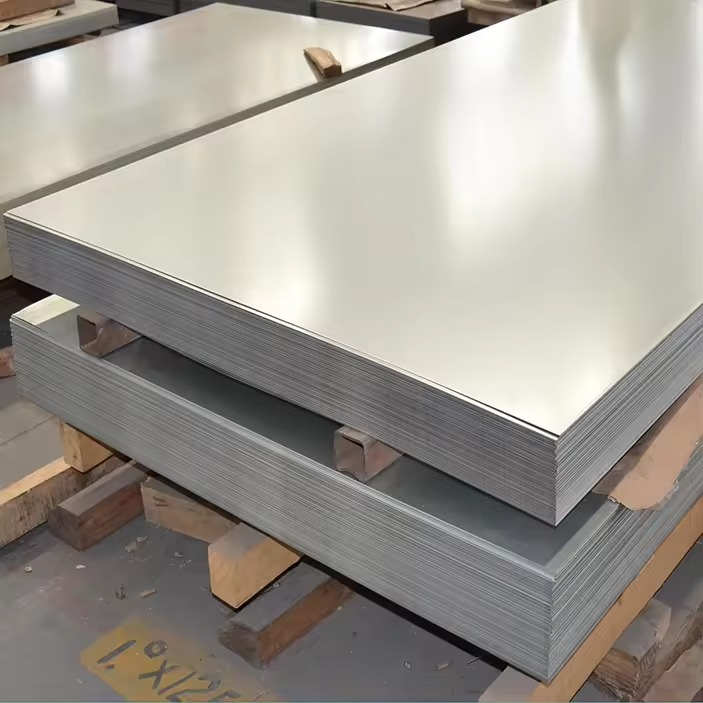

Common Stainless Steel Grades: A Complete Guide for Global Industrial & Commercial Use
Stainless steel stands as one of the most indispensable alloy materials across global manufacturing, construction, food processing, marine engineering, and daily consumer industries. Thanks to its exceptional corrosion resistance, durable mechanical strength, excellent formability, and low maintenance costs, it has replaced numerous traditional metal materials in international trade and industrial production. However, with a wide range of stainless steel grades available on the market, many global buyers, engineers, and project contractors often struggle to select the most suitable type for their specific projects. Therefore, this guide will systematically analyze the most commonly used stainless steel grades, including 304, 316, and 430 stainless steel, covering their chemical compositions, core properties, advantages, limitations, and typical application scenarios. Meanwhile, we will provide practical selection tips to help you make cost-effective and performance-matched purchasing decisions for your overseas projects.
What Makes Stainless Steel “Stainless” and Durable?
Before diving into specific grade analysis, it is essential to understand the basic working principle of stainless steel. Unlike ordinary carbon steel, stainless steel contains a high proportion of chromium, which forms a dense, self-repairing passive oxide film on the material surface. This film effectively isolates air, moisture, and corrosive substances, thus preventing rust and oxidation. In addition, different grades add nickel, molybdenum, and other alloy elements to further optimize their performance. As a result, various stainless steel grades exhibit distinct differences in corrosion resistance, weldability, ductility, and price, which directly determines their applicable working environments.
304 Stainless Steel: The Most Versatile & Widely Used Standard Grade
Without a doubt, 304 stainless steel is the most popular and versatile grade in the global stainless steel market, accounting for more than half of total stainless steel output and trade volume. It belongs to the austenitic stainless steel family and features a classic 18-8 alloy formula, with 18% chromium and 8% nickel content. Since it balances outstanding performance and competitive pricing, it has become the first choice for most general industrial and commercial applications.
In terms of core properties, 304 stainless steel delivers excellent overall corrosion resistance, which can withstand daily oxidation, humid indoor environments, and mild chemical erosion. Furthermore, it boasts superior formability and weldability, meaning it can be easily stamped, bent, rolled, and welded into various complex shapes without cracking or deformation. Besides, it maintains stable mechanical strength under both high and low-temperature conditions, making it adaptable to diverse working scenarios. Notably, 304 steel is non-magnetic in the annealed state but may generate weak magnetism after cold working, which is a normal physical feature and does not affect its performance.
In terms of practical applications, 304 stainless steel is widely used in food and beverage processing equipment, kitchen appliances, architectural decoration, indoor structural parts, general mechanical components, and pharmaceutical machinery. Although it performs well in conventional environments, it still has certain limitations. Specifically, it is not suitable for harsh environments with high chloride concentration, such as coastal salt spray areas and chemical acid-base environments, as it may cause pitting corrosion over time. Overall, 304 stainless steel is the ideal cost-effective option for conventional projects with standard performance requirements.
316 Stainless Steel: Premium Marine & Chemical-Grade Stainless Steel
Compared with 304 stainless steel, 316 stainless steel is an upgraded premium grade, which is specially developed for harsh and high-corrosion environments. The biggest difference in its chemical composition is the addition of 2% to 3% molybdenum, along with increased nickel content. This key alloy adjustment fundamentally enhances its resistance to pitting corrosion, crevice corrosion, and chemical erosion, especially against chloride ions, seawater, acid solutions, and industrial pollutants.
As a high-performance austenitic stainless steel, 316 steel inherits all the advantages of 304 steel, including good ductility, easy processing and welding, and stable temperature resistance. Moreover, its comprehensive durability is far superior. It can resist long-term erosion of seawater, salt spray, and various industrial chemicals, and it also features better high-temperature oxidation resistance and structural stability. For this reason, it is well-known as marine-grade stainless steel in the global industry.
In terms of application scenarios, 316 stainless steel is mainly used for high-standard and harsh-environment projects. Typical uses include coastal construction facilities, marine equipment and ship accessories, chemical plant pipelines and reaction tanks, medical precision equipment, pharmaceutical production lines, and high-end outdoor engineering components. It is worth mentioning that the price of 316 stainless steel is higher than 304 due to its higher alloy content. Hence, it is more suitable for projects that require long-term service life and extreme corrosion resistance, rather than conventional indoor applications.
430 Stainless Steel: Cost-Effective Ferritic Stainless Steel for General Decorative Use
Different from 304 and 316 austenitic stainless steel, 430 stainless steel is a typical ferritic stainless steel, which only contains chromium without nickel element. This composition feature greatly reduces its production cost, making it the most economical stainless steel grade for low-demand scenarios. In the global trading market, 430 steel is widely favored for civilian decorative and low-load industrial applications.
In terms of performance, 430 stainless steel has good atmospheric corrosion resistance and rust-proof ability for dry and indoor environments. It features high hardness, good surface finish, and beautiful metallic luster, so it performs excellently in decorative applications. Meanwhile, its price advantage is very prominent compared with 304 and 316 grades. However, it also has obvious shortcomings. On the one hand, its weldability and ductility are relatively poor, making it not suitable for complex processing and high-strength structural parts. On the other hand, its corrosion resistance is limited, and it is prone to rust in humid, salty, or chemical environments. In addition, 430 stainless steel is fully magnetic, which is an obvious distinguishing feature from 304 and 316 steel.
Accordingly, 430 stainless steel is mostly applied in low-load and dry-environment scenarios, such as indoor decorative panels, household appliance shells, kitchen utensils, low-demand hardware accessories, and general protective covers. It is the best choice for customers who pursue cost control and have no high requirements for corrosion resistance and structural strength.
Quick Comparison & Selection Guide: 304 vs 316 vs 430 Stainless Steel
To help you quickly screen the right stainless steel grade for your project, we have sorted out a clear selection logic based on the above performance analysis. First of all, if your project is for conventional indoor use, general industrial processing, food-grade equipment, and requires balanced performance and moderate cost, 304 stainless steel is your priority option. Secondly, if your products or projects need to adapt to coastal, marine, chemical, high-temperature, and other harsh corrosive environments, and require long-term stable service life, 316 stainless steel is the only reliable choice. Finally, if you only need stainless steel for indoor decoration, low-load civilian hardware, and pursue ultra-high cost performance without strict corrosion resistance requirements, 430 stainless steel can fully meet your demands.
Final Thoughts
In global stainless steel procurement and engineering applications, there is no one-size-fits-all best grade, but only the most suitable one. 304, 316, and 430 stainless steel cover 90% of mainstream market demands, ranging from general civilian use, conventional industrial use to high-end harsh environment use. By clarifying the differences in their alloy composition, corrosion resistance, processability, and cost, you can effectively avoid material waste and performance mismatch, thus optimizing your project budget and product quality.
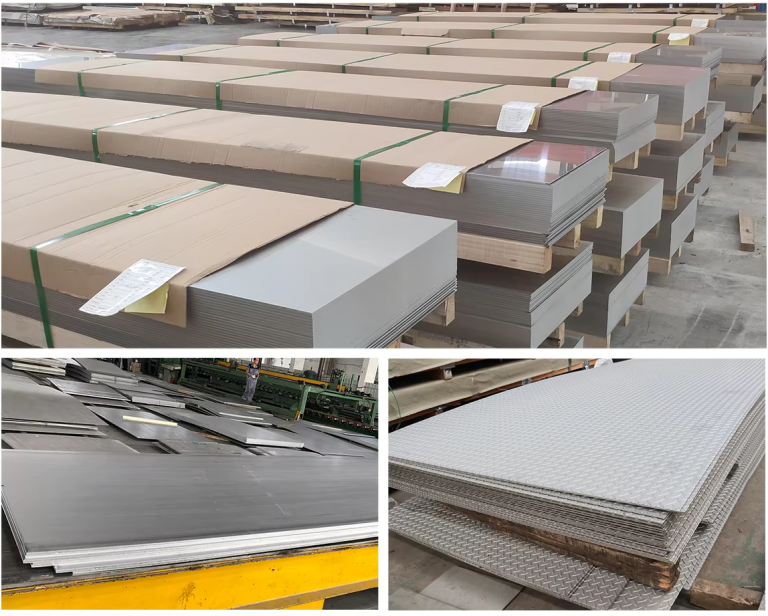
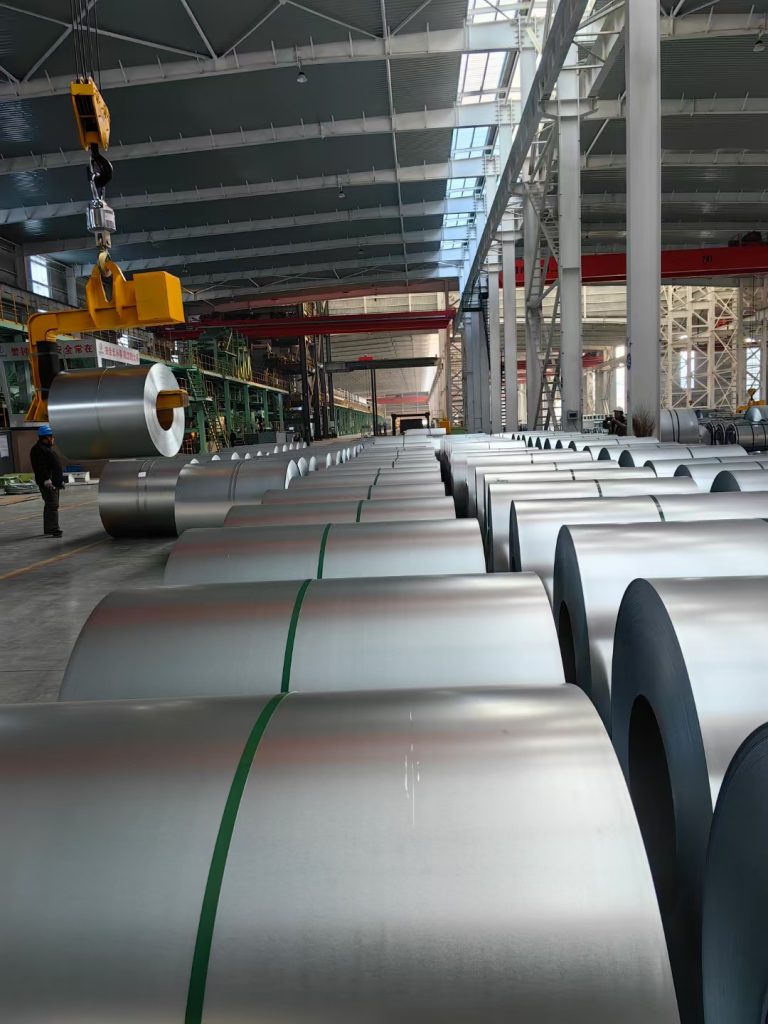
If you have customized demands for stainless steel specifications, sizes, or grades, feel free to contact us. We provide high-quality 304, 316, 430 stainless steel sheets, coils, pipes, and customized processing services for global clients, with stable supply, competitive factory prices, and reliable after-sales support.