
316 Stainless Steel Plate: Your Go-To Choice for Corrosion-Resistant Industrial & Commercial Applications
First off, let’s be real—when you’re shopping for a stainless steel plate for your industrial or commercial project, the last thing you want is a material that rusts, breaks easily, or gives you a headache during fabrication. That’s where 316 stainless steel plate comes in—it’s the reliable, versatile workhorse that businesses worldwide trust, and for good reason. If you’re in the market for a durable, corrosion-resistant metal plate that can handle tough environments—whether it’s marine settings, chemical plants, food processing facilities, or medical equipment—you’ve probably heard of 316 stainless steel plate. But what makes it so special? Why is it a top choice over other stainless steel options? Let’s break it down in simple terms, no fancy jargon required—just straight talk about why 316 stainless steel plate is worth your investment.
What Exactly Is 316 Stainless Steel Plate? (No Jargon, Promise!)
Let’s start with the basics, because we know you don’t have time for complicated terms. 316 stainless steel plate is an austenitic stainless steel alloy, which simply means it’s non-magnetic, super easy to shape, and has some seriously impressive mechanical properties. You might also hear it called AISI 316 stainless steel plate, marine grade 316 stainless steel plate, or even SUS 316 stainless steel plate (that’s the Japanese designation, in case you’re working with international suppliers). And if you need a low-carbon version for welding or high-temperature applications, there’s 316L stainless steel plate—its carbon content is ≤0.03%, which reduces the risk of intergranular corrosion and makes it perfect for heavy-duty welding jobs.
The secret sauce behind 316 stainless steel plate’s amazing performance? Molybdenum. Unlike its more common cousin, 304 stainless steel, 316 stainless steel plate contains 2-3% molybdenum, along with 16-18% chromium and 10-14% nickel. This unique blend of elements is what makes 316 stand out—especially when it comes to fighting corrosion. Think of it as the “upgrade” you need when standard stainless steel just won’t cut it for your project.
Key Benefits of 316 Stainless Steel Plate (Why It’s Worth Choosing)
I’m sure you’re wondering: What makes 316 stainless steel plate better than other options? Let’s dive into the benefits that actually matter for your business—no fluff, just the good stuff:
-
Unbeatable Corrosion Resistance (The Big One!): This is hands down the biggest selling point of 316 stainless steel plate. Thanks to that molybdenum we mentioned earlier, it resists pitting, crevice corrosion, and damage from chlorides—think seawater, salt spray, or even harsh chemical solutions like acids and alkalis. That’s why it’s called marine grade 316 stainless steel plate—it can handle the salty, harsh ocean environment without rusting or deteriorating. It’s also perfect for chemical plants, coastal architectural projects, and any application where corrosion is a big concern.
-
Impressive High-Temperature Tolerance: 316 stainless steel plate doesn’t back down when things get hot. It performs beautifully even in high-heat settings, up to 1200-1300°F (that’s around 649-704°C), making it ideal for industrial ovens, chemical reactors, exhaust systems, and other high-temperature equipment. And here’s a bonus—it also maintains its strength in sub-zero temperatures, so it’s versatile for all climates, no matter where your project is located.
-
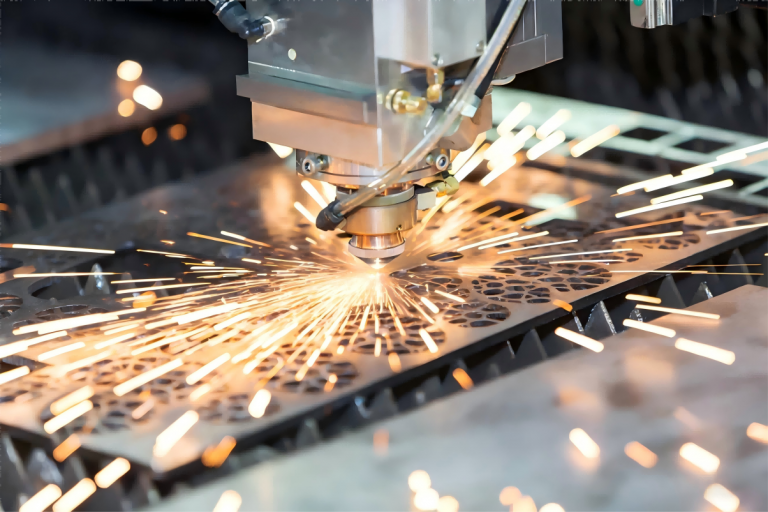
Super Easy to Fabricate: Unlike some heavy-duty metals that are a nightmare to work with, 316 stainless steel plate is easy to weld, cut, bend, and polish using standard fabrication techniques. Whether you need custom sizes, specific shapes, or a smooth finish, it won’t give you a hard time during production. This saves you time, money, and frustration—something every business can appreciate.
-
Food-Grade & Hygienic (Perfect for Sensitive Industries): 316 stainless steel plate has a smooth, non-porous surface that’s easy to clean and sterilize, which is why it’s widely used in the food and beverage industry, medical equipment manufacturing, and pharmaceutical facilities. It’s certified food-safe and meets international standards like ISO 5832-1 for medical use, so you can trust it for even the most sensitive applications.
-
Long-Lasting Durability (Save Money in the Long Run): Investing in 316 stainless steel plate means less maintenance, fewer replacements, and lower long-term costs. It’s tough enough to handle heavy-duty industrial use, marine applications, and even daily wear and tear without losing its luster or strength. Think of it as a one-time investment that pays off for years to come—no more wasting money on low-quality materials that need to be replaced constantly.
316 Stainless Steel Plate Specifications (What You Need to Know Before You Buy)
When you’re ready to order your 316 stainless steel plate, it’s important to know the key specs to make sure it fits your project—and we’re not gonna hit you with complicated terms. Here’s the quick lowdown on the most important details you need to know:
-
Thickness: Typically ranges from 0.3mm to 200mm—we can customize it to your exact needs, whether you need a thin sheet (0.2mm-4mm) for light-duty use or a thick plate (4mm-60mm+) for heavy industrial jobs. No matter how thick or thin you need it, we’ve got you covered.
-
Width & Length: Standard widths are 1000mm, 1219mm, 1500mm, 2000mm, and lengths up to 12000mm, but custom sizes are available too. Just let us know what you need, and we’ll make it happen—no hassle, no extra fees for custom orders.
-
Surface Finishes: Common finishes include 2B (matte), BA (mirror), No.1 (hot-rolled), No.4 (brushed), and 8K (high-gloss)—perfect for both functional and decorative uses. For food or medical applications, we also offer electrolytic polished finishes that meet FDA standards, ensuring no bacteria滋生死角.
-
Standards: Our 316 stainless steel plate meets all major international standards, including ASTM A240, AISI, JIS G4305, EN 1.4401, and ASME. This means you can trust its quality, no matter where you are in the world or what industry you’re in.
316 vs 304 Stainless Steel Plate: What’s the Difference?
Let’s be honest—most people confuse 316 and 304 stainless steel plate, and that’s totally normal! But here’s the key difference: 316 has molybdenum, and 304 doesn’t. That one extra element makes 316 way more corrosion-resistant, especially in harsh environments like marine settings or chemical plants. 304 is great for basic applications, but if you need something that can handle salt, chemicals, or high temperatures, 316 stainless steel plate is the better choice. It’s a little more expensive, but it’s worth it for the durability and peace of mind.
Where to Use 316 Stainless Steel Plate? (Common Applications)
316 stainless steel plate is super versatile—here are some of the most common applications we see from our外贸 clients worldwide:
-
Marine applications: Boat parts, marine platforms, coastal structures (thanks to its corrosion resistance to seawater)
-
Chemical industry: Reactors, pipes, tanks, and equipment that handles acids, alkalis, and other harsh chemicals
-
Food & beverage industry: Processing equipment, storage tanks, and food contact surfaces
-
Medical & pharmaceutical: Surgical instruments, medical equipment, and cleanroom surfaces
-
Industrial & manufacturing: Ovens, exhaust systems, heavy machinery parts, and custom fabrications
-
Architectural: Coastal buildings, decorative panels, and outdoor structures that need to resist the elements
Ready to find the perfect 316 stainless steel plate for your project? Whether you need standard sizes or custom 316 stainless steel plate, we’ve got you covered. Our 316 and 316L stainless steel plate meets all international standards, and we offer competitive 316 stainless steel plate prices with fast delivery worldwide. Just reach out to our team—we’re here to answer all your questions and help you find the right material for your needs!