6061 Aluminum Alloy: Why It Is the Leading Choice for Structural Part Machining
When it comes to reliable, cost-effective, and high-performance materials for structural part machining, 6061 aluminum alloy always stands out from the crowd. In fact, it has long been recognized as the most mainstream option for industrial structural components across global manufacturing industries. But why exactly is 6061 aluminum so popular for structural machining projects? Today, we will dive deep into its material composition, core properties, professional processing parameters, and versatile applications to uncover its unparalleled advantages.
First and foremost, let’s start with the basic material characteristics of6061 aluminum alloy. As a typical Al-Mg-Si series heat-treatable strengthened aluminum alloy, 6061 aluminum features a scientific and balanced chemical composition that lays the foundation for its excellent comprehensive performance. Its main mass fraction components include 0.8%~1.2% Magnesium (Mg), 0.4%~0.8% Silicon (Si), 0.15%~0.40% Copper (Cu), and 0.04%~0.35% Chromium (Cr).
Interestingly, the alloy’s core strength comes mainly from the Mg₂Si strengthening phase. Furthermore, the added Copper element effectively boosts the overall tensile strength and structural stability of the material. However, copper addition may slightly compromise corrosion resistance, and this is where Chromium plays a vital role. The Chromium component perfectly offsets the negative impact of Copper on corrosion resistance, enabling 6061 aluminum to achieve a perfect balance between high strength and great durability. In addition, it is worth noting that 6061 aluminum alloy has high quenching sensitivity. For this reason, it cannot be quenched directly after extrusion; instead, it must undergo strict solution treatment and artificial aging treatment to obtain optimal mechanical properties.
1. Excellent Weldability for Diverse Machining Needs
One of the most prominent benefits of 6061 aluminum alloy for structural part manufacturing is its outstanding weldability. Unlike some high-strength aluminum alloys that are difficult to weld, 6061 aluminum supports a wide range of welding methods, which makes it extremely flexible for customized structural machining.
Generally speaking, we adopt different welding techniques based on the thickness of the workpiece. For thick-wall structural parts, MIG welding (Metal Inert Gas welding) is the preferred method for stable and firm welding results. On the other hand, TIG welding (Tungsten Inert Gas welding) is more suitable for thin-wall 6061 aluminum materials, as it ensures precise and neat welding seams. Moreover, using 4A01 welding wire as the filler metal can significantly reduce the occurrence of welding cracks, greatly improving the yield rate of finished structural parts.
Of course, there are a few key details you need to keep in mind. When the 6061 aluminum substrate is under quenched and artificially aged status, its structural strength will drop by approximately 30% after welding. Nevertheless, the material performance can be partially restored through secondary heat treatment. What’s more reassuring is that the welding seam still maintains excellent corrosion resistance even after welding, so the overall service life of structural components will not be greatly affected.
In addition, if your products require subsequent anodization and demand consistent color performance of welding seams, choosing 5154 alloy as the filling metal will be a more ideal solution to meet high-standard surface finishing requirements.
2. Superior Corrosion Resistance for Long-Term Service Life
Corrosion resistance is undoubtedly a critical indicator for industrial structural parts, especially those used in outdoor, marine, and humid environments. Fortunately, 6061 aluminum alloy delivers impressive anti-corrosion performance that far exceeds many common aluminum alloys.
To be specific, its atmospheric corrosion resistance is almost equivalent to that of pure industrial aluminum. Meanwhile, it boasts great tolerance to fresh water and seawater corrosion, which is why it is widely used for marine and outdoor structural components. When it comes to chemical environment resistance, the corrosion rate of 6061 aluminum in inorganic acids is largely affected by acid concentration and temperature, yet it shows excellent stability against most organic acids.
It is important to mention that 6061 aluminum is vulnerable to severe corrosion in potassium hydroxide and sodium hydroxide solutions, while it only suffers slight corrosion in ammonium hydroxide solutions. Therefore, we can avoid performance risks by reasonably arranging application scenarios. Besides, if you need further enhanced anti-corrosion performance, secondary treatments such as anodization and aluminum cladding can effectively upgrade the surface protection ability of 6061 aluminum structural parts.
3. Professional Processing Parameters for Stable Machining Quality
To help manufacturers and processors achieve consistent, high-quality 6061 aluminum structural parts, we have sorted out the standard and mature processing parameters for your reference. Strictly following these parameters can effectively avoid material defects and ensure stable mechanical properties of finished products:
-
Melting Temperature: 720~750℃
-
Casting Temperature: 710~730℃
-
Homogenization Annealing Temperature: 550℃
-
Hot Working Temperature: 350~500℃
-
Solution Treatment Temperature: 525~530℃
-
Artificial Aging Specification:
-
Extruded & Forged Products: 175℃, 8 hours
-
As you can see, these standardized process parameters are easy to control in industrial production, which is another key reason why 6061 aluminum alloy is suitable for mass production of structural parts.
4. Wide Application Fields of 6061 Aluminum Structural Parts
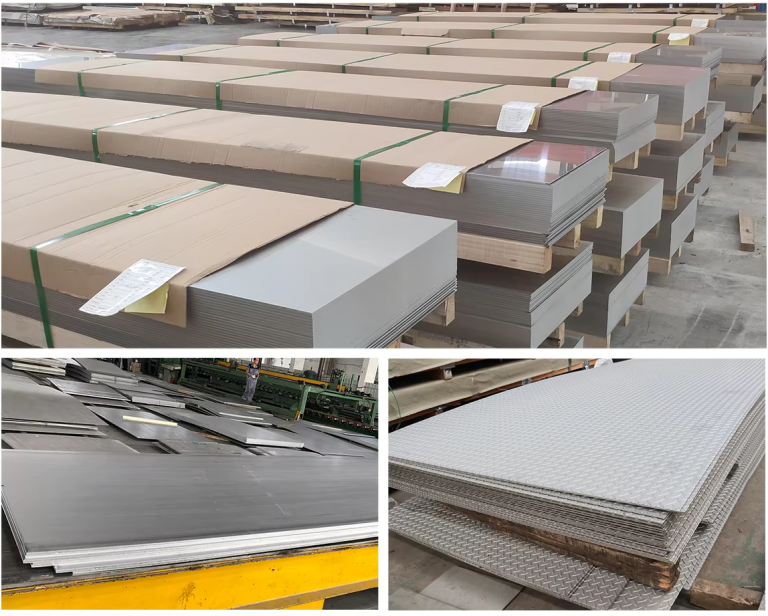
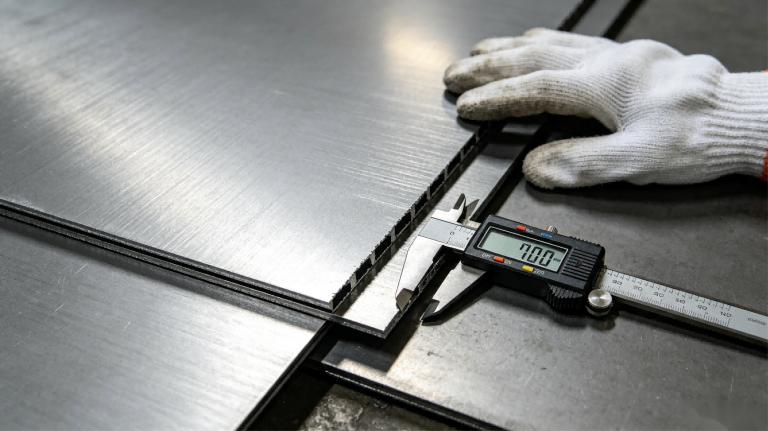
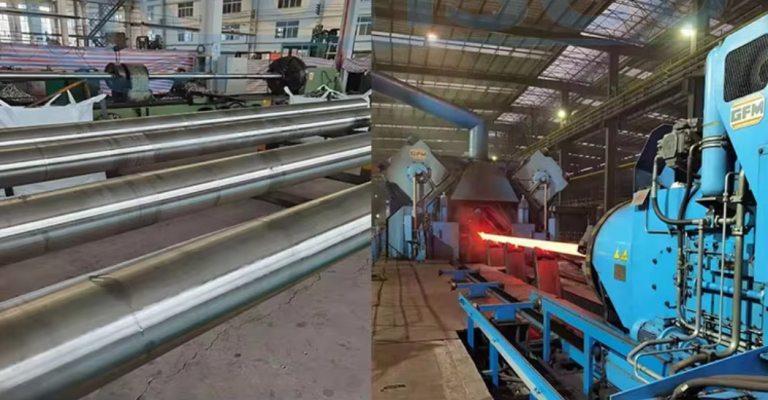
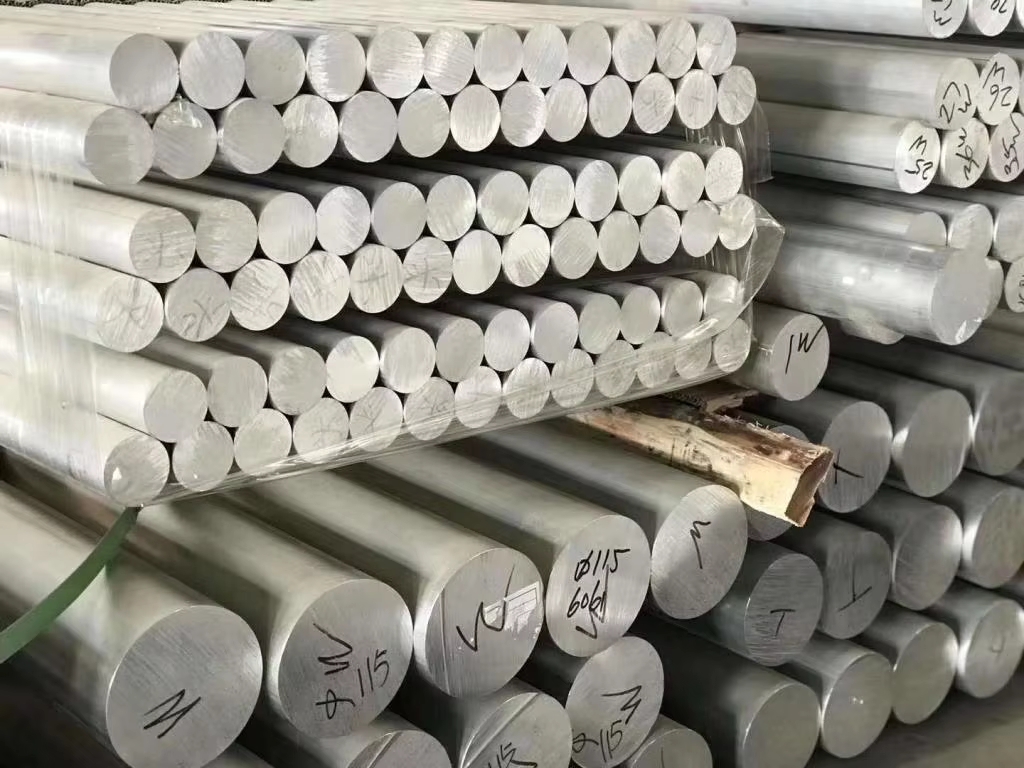
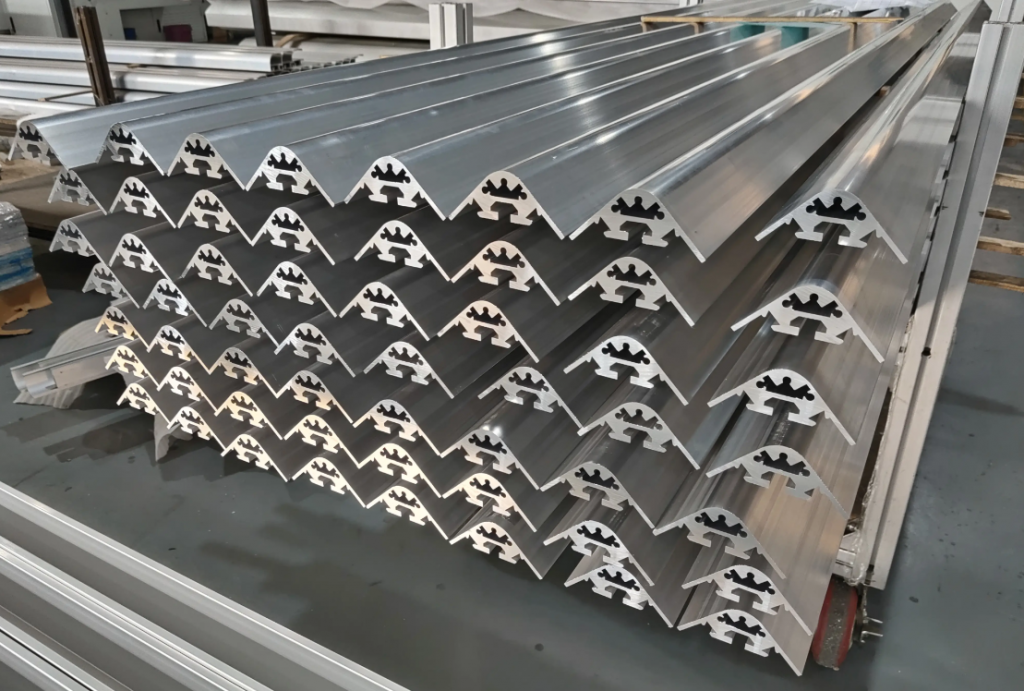
Thanks to its balanced strength, excellent weldability, reliable corrosion resistance, and easy processing performance, 6061 aluminum alloy can be fabricated into various forms, including aluminum sheets, pipes, rods, profiles, wires, and customized precision structural parts.
Consequently, it has become a staple material in numerous industrial and civilian fields. For instance, it is widely used for architectural aluminum profiles, large anti-corrosion structural components, truck body structural parts, marine structural fittings, railway vehicle structural parts, industrial guide pipes, and high-grade furniture accessories. Whether for heavy-duty industrial equipment or lightweight civilian structural products, 6061 aluminum alloy can always deliver stable and durable performance.
Final Thoughts
All in all, from its optimized chemical composition and superior mechanical properties to flexible processing performance and diverse application scenarios, 6061 aluminum alloy has all the advantages required for high-quality structural part machining. It is no wonder that it has remained the mainstream choice in the global structural manufacturing industry for decades.
If you are looking for a cost-effective, durable, and easy-to-process aluminum material for your next structural project, 6061 aluminum alloy will absolutely be your most trustworthy option!