904L Super Austenitic Stainless Steel (UNS N08904): Corrosion-Resistant Solution for Harsh Environments
Introduction: Why 904L is the Benchmark of Super Austenitic Stainless Steel?
In harsh corrosive environments such as chemical processing, oil & gas, marine engineering, and pharmaceutical production, material corrosion resistance directly determines equipment service life and operational safety. 904L (UNS N08904 / EN 1.4539), a super austenitic stainless steel with high molybdenum, chromium, and nickel content, is specifically engineered to resist strong corrosive media like sulfuric acid and phosphoric acid. Its comprehensive performance far exceeds conventional stainless steels such as 304 and 316L, making it a globally recognized “corrosion protection specialist” in industrial sectors. This article will fully analyze the unique value of 904L from material characteristics, core properties, international standards to practical applications.
I. Material Core: The Secret of 904L’s Chemical Composition Design
The outstanding performance of 904L stems from its precise chemical composition ratio, with the core design concept of achieving the dual goals of “all-round corrosion resistance + stable mechanical properties” through optimized alloy element content:
- Low Carbon Feature: Carbon content ≤ 0.02%, fundamentally avoiding carbide precipitation at grain boundaries during welding or high-temperature environments, and completely solving intergranular corrosion problems;
- High Alloy Combination: Chromium (19.0-23.0%) forms a dense passive film, nickel (23.0-28.0%) stabilizes the austenitic structure, molybdenum (4.0-5.0%) enhances pitting and crevice corrosion resistance, copper (1.0-2.0%) specifically improves corrosion resistance in reducing acids (such as sulfuric acid and phosphoric acid), and nitrogen (≤ 0.1%) assists in enhancing strength and corrosion resistance;
- International Grade Equivalents: Globally recognized grades include GB 015Cr21Ni26Mo5Cu2 (S31782), JIS SUS 890L, ISO X1NiCrMoCu25-20-5, etc., facilitating material selection and replacement for customers in different regions.
904L Chemical Composition Table (ASTM A240/A240M Standard)
| Element | C | Si | Mn | P | S | Cr | Ni | Cu | Mo | N |
| Maximum (%) | 0.02 | 1.0 | 2.0 | 0.045 | 0.035 | 23.0 | 28.0 | 2.0 | 5.0 | 0.10 |
| Minimum (%) | – | – | – | – | – | 19.0 | 23.0 | 1.0 | 4.0 | – |
II. Key Properties: Comprehensive Advantages Beyond Conventional Standards
1. Mechanical Properties
Compared with 300-series austenitic stainless steels (e.g., 304, 316L), 904L super austenitic stainless steel exhibits higher yield strength and tensile strength, mainly attributed to the solid solution strengthening effect of carbon and nitrogen, as well as the high alloying degree of substitutional elements such as Mo, Ni, and Cr. It is important to note that austenitic stainless steels cannot be hardened or strengthened through heat treatment, but their strength can be significantly improved via cold working processes.
904L Mechanical Properties (SA-240/SA-240M Standard)
| Tensile Strength (σb) | Yield Strength (σs) | Elongation After Fracture (δ) | Hardness (HRBW) |
| ≥ 490 MPa | ≥ 220 MPa | ≥ 35% | ≤ 90 |
2. Physical Properties
The physical properties of austenitic stainless steels are basically similar. Compared with carbon steel, 904L has a slightly lower Young’s modulus, higher thermal expansion coefficient, and poorer thermal conductivity, which should be considered in structural design and processing.
904L Physical Properties
| Property | English Unit | Metric Unit |
| Density | 0.287 lb/in³ | 7.95 g/cm³ |
| Melting Range | 2372~2534 °F | 1300~1390 °C |
| Elastic Modulus | 28×10³ ksi | 190 GPa |
| Specific Heat Capacity | 0.11 Btu/lb·°F (32~212°F) | 450 J/kg·°C (0~100°C) |
| Electrical Resistivity | 33.5 μΩ·in (32~212°F) | 95.2 μΩ·cm (0~100°C) |
| Thermal Conductivity | 8.5 Btu·in/ft²·h·°F (68°F) | 12.3 W/m·°C (20°C) |
| Thermal Expansion Coefficient | 7.95×10⁻⁶ in/in·°F (68~212°F) | 15.3×10⁻⁶ μm/m·°C (20~100°C) |
| Magnetic Permeability | 2 | 02 |
Note: The above data is for reference only. Actual values may vary slightly due to production processes.
3. Corrosion Resistance (Core Advantage of 904L)
While standard austenitic stainless steels can meet the corrosion resistance requirements of many environments, 904L super austenitic stainless steel stands out as one of the most corrosion-resistant stainless steels globally, excelling in uniform corrosion, pitting corrosion, crevice corrosion, and stress corrosion cracking (SCC).
Corrosion Rate of 904L in Boiling Liquids
| Boiling Liquid | Corrosion Rate (mpy) | Corrosion Rate (mm/a) |
| 20% Acetic Acid | 0.6 | 0.02 |
| 45% Formic Acid | 7.7 | 0.2 |
| 1% Hydrochloric Acid | 21.6 | 0.55 |
| 10% Oxalic Acid | 27.1 | 0.69 |
| 20% Phosphoric Acid | 0.5 | 0.01 |
| 10% Sodium Bisulfate | 8.9 | 0.23 |
| 50% Sodium Hydroxide | 0.96 | 0.24 |
| 10% Sulfamic Acid | 9.1 | 0.23 |
| 10% Sulfuric Acid | 101 | 2.57 |
Note: mpy = mils per year (1 mil = 0.001 inch); mm/a = millimeters per year. Data is for reference only.
- Localized Corrosion Resistance: The high molybdenum and chromium content of 904L gives it a high Pitting Resistance Equivalent Number (PREN), calculated as PREN = %Cr + 3.3×%Mo + 16×%N. With a PREN value of 33~35, 904L demonstrates strong resistance to chloride-induced pitting and crevice corrosion, making it ideal for marine and chloride-rich industrial environments.
- Intergranular Corrosion Resistance: The extremely low carbon content ensures that 904L can effectively resist intergranular corrosion caused by chromium carbide precipitation, even after short-term exposure to the sensitization temperature range (450~850°C) during welding.
- Stress Corrosion Cracking (SCC) Resistance: The high nickel content of 904L provides much higher resistance to chloride stress corrosion cracking compared to standard austenitic stainless steels such as 304L and 316L.
III. Heat Treatment Requirements
To achieve optimal corrosion resistance, 904L must undergo solution heat treatment:
- Solution Treatment Process: Heat to 1100~1170°C (2012~2138°F), followed by rapid water quenching. The purpose is to fully dissolve all alloy elements into the austenitic matrix, obtain a uniform single-phase structure, and dissolve any carbides or intermetallic phases formed during processing.
- Precautions: Avoid prolonged exposure to the temperature range of 540~930°C (1004~1706°F) to prevent the precipitation of harmful phases (e.g., sigma phase), which can lead to reduced toughness and corrosion resistance.
IV. Practical Applications: Industries & Products
904L is the most common 4% molybdenum alloy, developed as an upgrade to 316L and Alloy 20, while offering a more cost-effective alternative to Alloy C276. Its excellent corrosion resistance and mechanical properties make it widely used in various harsh industrial sectors:
1. Key Application Industries
- Chemical Processing: Equipment for sulfuric acid, phosphoric acid, and organic acid production/storage;
- Oil & Gas: Downhole tools, pipelines, and offshore platform components resistant to chloride and sour gas corrosion;
- Pharmaceutical: Sanitary equipment and containers requiring high corrosion resistance and cleanliness;
- Power Generation: Flue gas desulfurization (FGD) systems and boiler components;
- Marine Engineering: Ship hulls, propellers, and offshore wind power structures;
- Food Processing: Equipment for acidic food and beverage production (e.g., tomato paste, citrus juice).
2. Common Product Forms
904L is available in various product forms to meet diverse application needs, including:
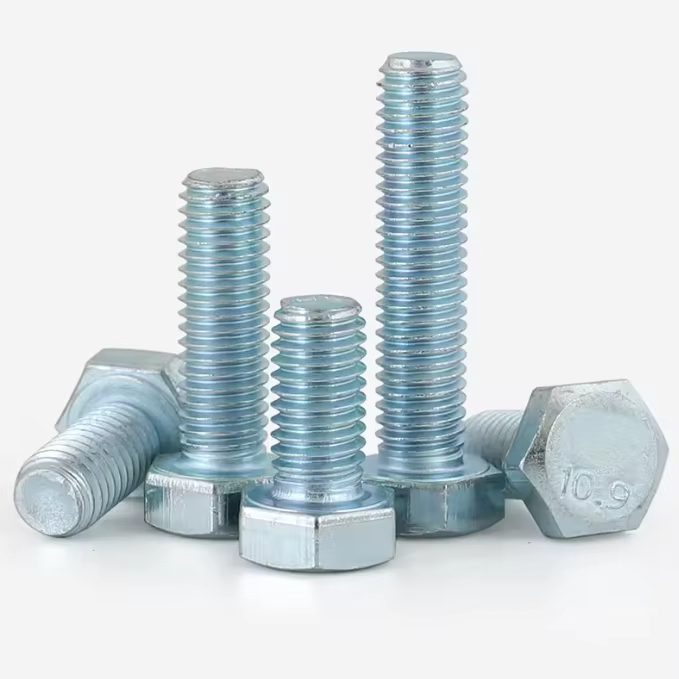
- Fasteners: Bolts, screws, nuts, studs, washers, pins, and keys;
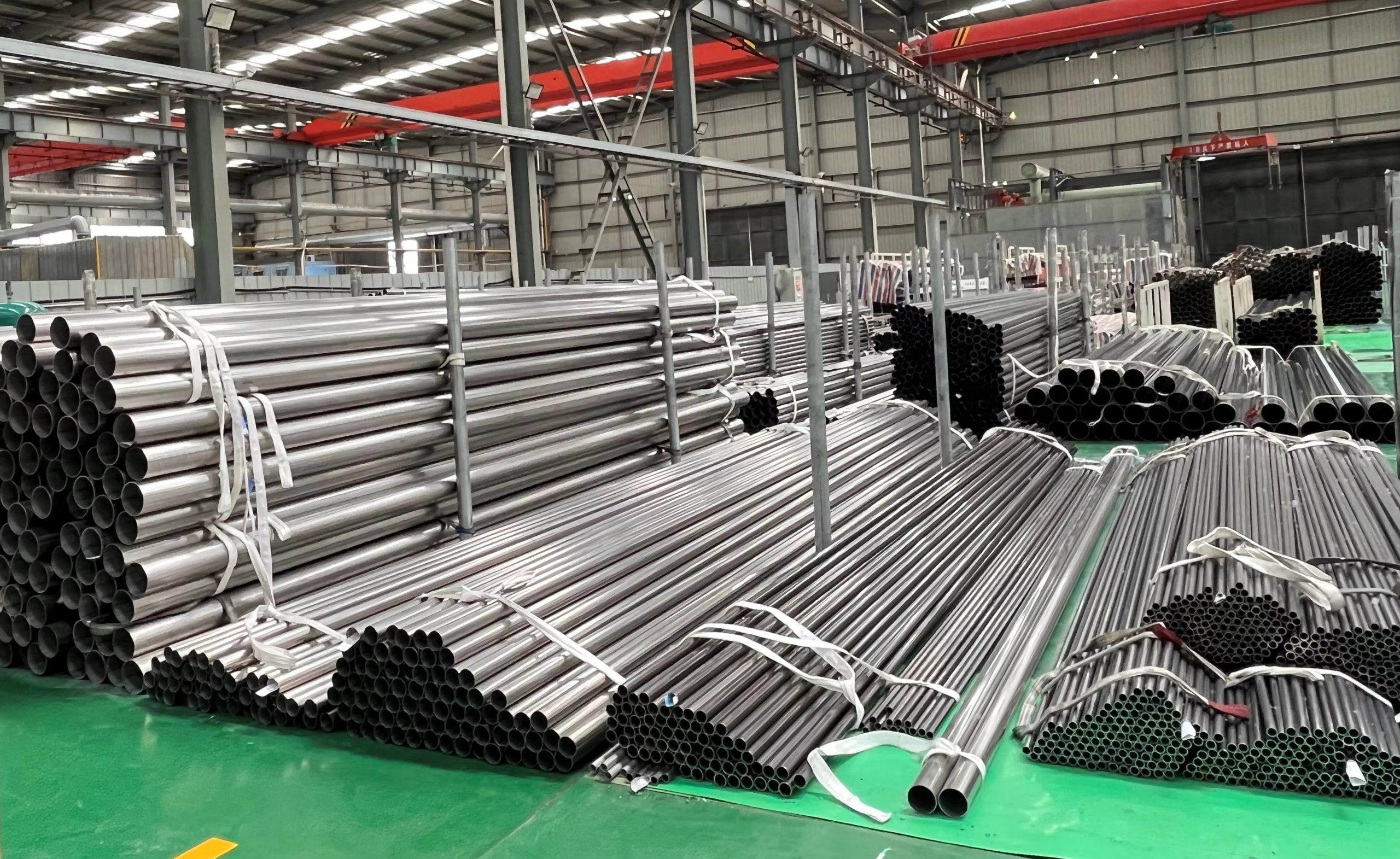
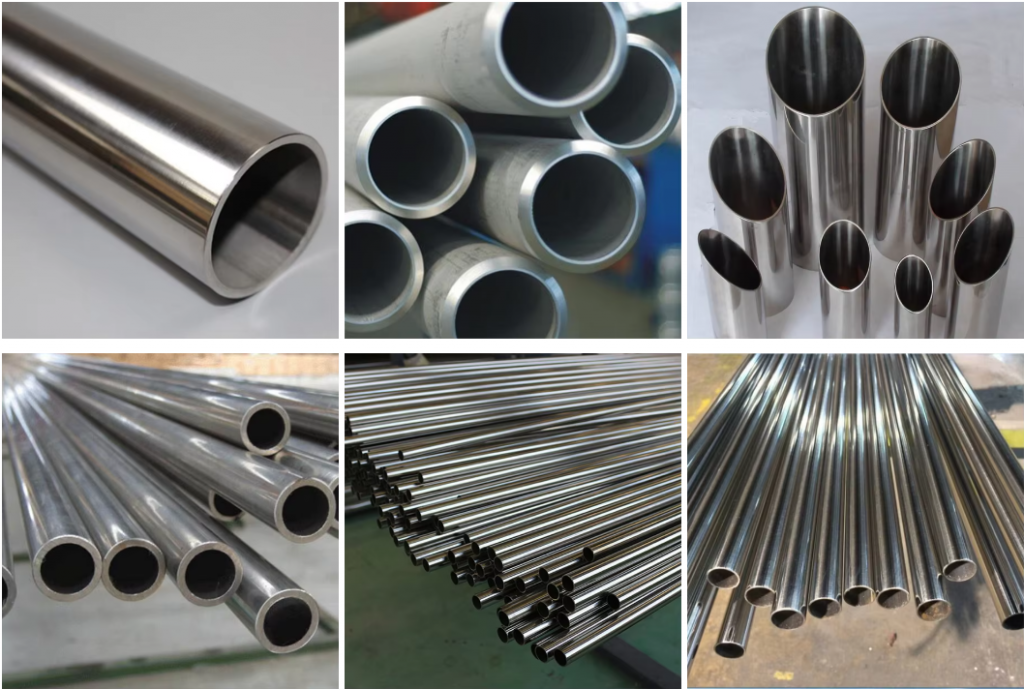
- Pipe Fittings: Elbows, tees, flanges, and valves;
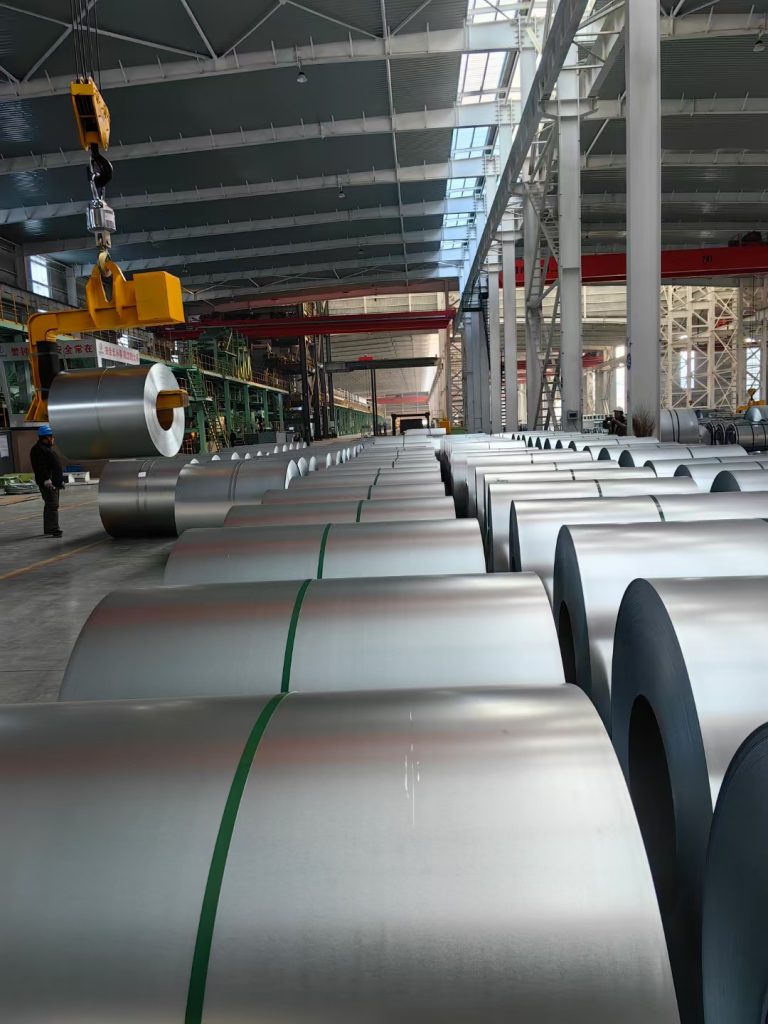
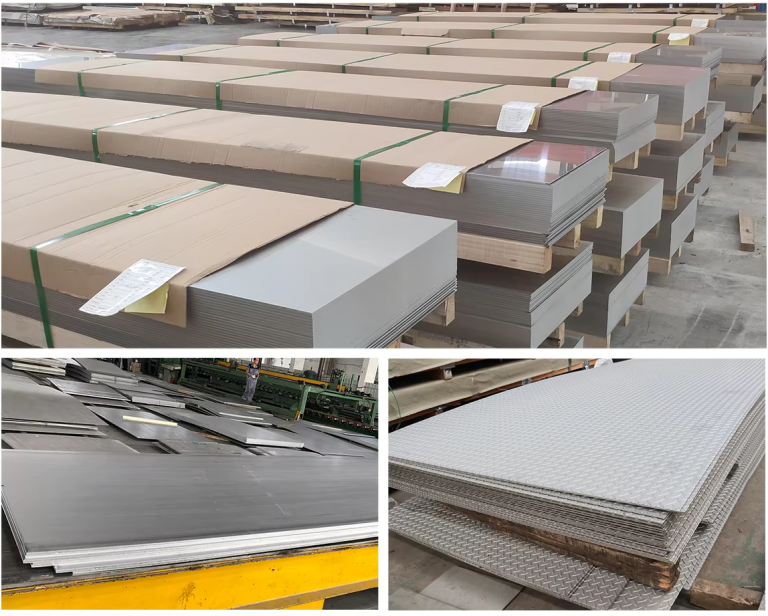
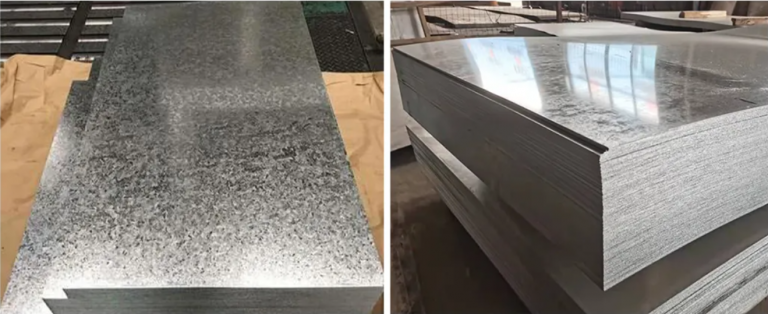
- Plates, Sheets & Strips: For pressure vessels and structural components;
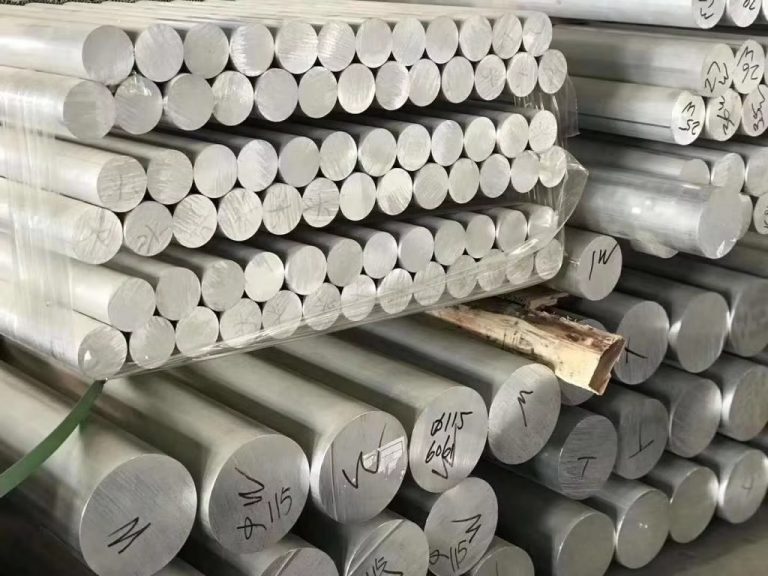
- Bars & Profiles: For machining and forging parts.
V. International Standards & Grade Equivalents
1. Approximate Grade Equivalents
These are equivalent grades from different national or organizational standards, which can usually be substituted, but should be verified based on specific application scenarios.
| Country/Organization | Grade & UNS Number |
| China (GB) | 015Cr21Ni26Mo5Cu2 / S31782 |
| Japan (JIS) | SUS 890L |
| USA (ASTM/AISI) | 904L / UNS N08904 |
| ISO | X1NiCrMoCu25-20-5 |
| France (NF EN/NF) | Z2NCDU25-20 |
| EU (EN) | X1NiCrMoCu25-20-5 / 1.4539 |
| Sweden (SS) | 2562 |
| UK (BS EN/BS) | 904S13 |
2. Relevant International Standards
904L is included in the following major international standards, ensuring its quality and compatibility in global applications:
- ASTM A959: Guide for Stainless Steel Grades by Unified Numbering System (UNS);
- ASTM A276: Stainless Steel Bars and Shapes;
- ASTM A240/A240M: Chromium and Chromium-Nickel Stainless Steel Plate, Sheet, and Strip for Pressure Vessels and General Applications;
- ASTM A479/A479M: Stainless Steel Bars and Shapes for Boilers and Other Pressure Vessels;
- ASTM A403/A403M: Wrought Austenitic Stainless Steel Pipe Fittings;
- ASME SA-240/SA-240M: Chromium and Chromium-Nickel Stainless Steel Plate, Sheet, and Strip for Pressure Vessels;
- SAE J405: Chemical Compositions of Wrought Stainless Steels;
- EN 10028-7: Flat Products Made of Stainless Steels – Part 7: Weldable Austenitic Stainless Steels for Pressure Vessels;
- JIS G 4304/G 4305: Stainless Steel Plates, Sheets, and Strips.
Conclusion: Choose 904L for Reliable Corrosion Protection in Harsh Environments
As a high-performance super austenitic stainless steel, 904L (UNS N08904 / 1.4539) combines excellent corrosion resistance, stable mechanical properties, and wide international compatibility. Whether in chemical reactors, offshore platforms, or pharmaceutical equipment, 904L provides long-term reliable protection against harsh corrosive environments, reducing maintenance costs and improving operational safety. For your specific application needs, consult with material engineers to confirm the most suitable product form and grade equivalent.
If you would like to learn more about our products, please click here.