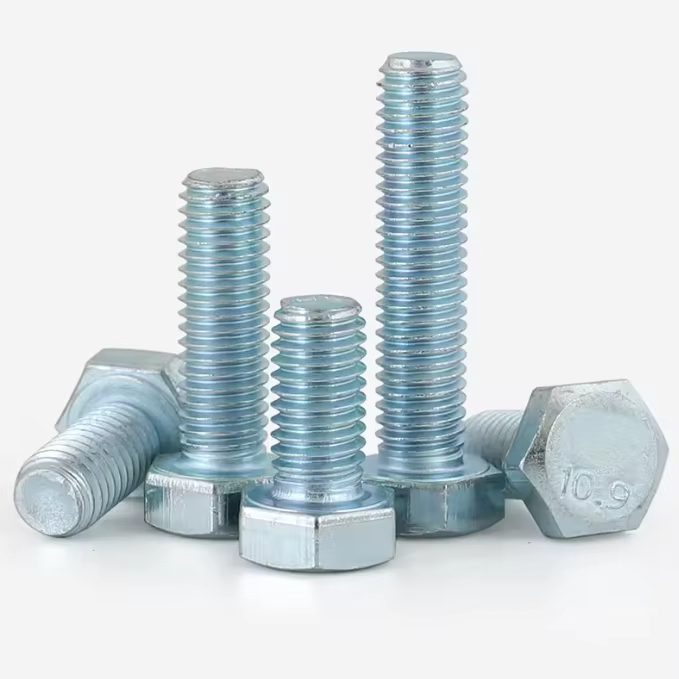
Fastener Standards Guide: ISO DIN ANSI JIS GB International Specs for Import & Export
If you’re in the fastener import-export business, you’ve definitely seen these abbreviations: GB, DIN, ISO, JIS, ANSI, ASTM… Right?
Lots of overseas buyers and engineers ask the same questions: Why are there so many fastener standards? What’s the difference between them? Will I buy the wrong one for my orders?
Don’t worry! This article will break down the most common international fastener standards in plain English. No jargon, just simple explanations—so you can choose the right specs for your import/export business easily.
First: Why Do Fasteners Need Standards Anyway?
Fasteners—like screws, nuts, washers, retaining rings, and locating pins—are all “mating parts.” That means they have to fit perfectly with other components.
For example:
-
A screw has to match a nut
-
A washer has to fit the hole size
-
A retaining ring has to match the shaft or hole diameter
Even a tiny difference in thread pitch or size can cause big problems:
-
Can’t screw it in at all
-
Stripped threads or jamming
-
Hard to repair or replace
-
Even equipment damage!
So fastener standards are here to solve these issues. They make sure:
-
Interchangeability: Parts from different brands/factories work together
-
Repairability: You can find replacement parts easily when equipment breaks
-
Mass production: There’s a unified basis for size and tolerance
-
Cross-border supply: No chaos when exporting or importing fasteners
Why Are There So Many Different Fastener Standards?
Back in the early industrial days, every country made its own standards. They based them on their own product needs and engineering habits.
Over time, three main systems formed:
-
European system (DIN, EN, BS…)
-
American system (ANSI, ASME, ASTM, SAE…)
-
Asian system (GB, JIS, CNS, KS…)
The same screw might have different names, sizes, or tolerance requirements in different countries. Later, ISO tried to unify global fastener standards. But most countries still kept their own specs—so we now have multiple standards coexisting.
The Most Common International Fastener Standards (You Need to Know These!)
We’ve split the top fastener standards into 5 categories, based on country systems and industry use. These are the ones you’ll see most in import-export business.
① International Standard: ISO
ISO stands for International Organization for Standardization. It’s the most widely used industrial fastener standard in the world.
Here’s what you need to know:
-
Most cross-border equipment uses ISO fasteners
-
It’s designed to make parts interchangeable across countries—saving you time on maintenance and procurement
-
Many countries are gradually replacing their local standards with ISO
② European System: DIN, EN, BS, UNI, NF
Europe has several key fastener standards, and DIN is the most common one for import-export.
DIN (Germany)
DIN is one of the most popular European fastener standards. It’s known for high precision and complete specs.
-
Mainly used for machine tools and automated equipment
-
Many countries use DIN as a reference to develop their own standards
EN (European Union)
EN is the unified standard of the EU. It’s highly compatible with DIN and ISO.
-
Improves consistency in European and cross-border supply chains
-
Some old DIN specs are now converted to EN
BS (UK), UNI (Italy), NF (France)
These are local European standards, but they’re still used in some cases:
-
BS: One of the oldest fastener standards—still used in old UK equipment, shipping, and engineering
-
UNI: Common in food processing and packaging equipment (mostly European original lines)
-
NF: Rare in China, but you’ll see it when repairing French imported equipment
③ American System: ANSI, ASME, ASTM, SAE, IFI
American fastener standards mostly use imperial units (inch), which is different from metric (mm) standards like ISO or DIN. If you’re exporting to the US, you’ll need these!
ANSI
ANSI is the main American standard. It’s widely used in US equipment, construction, and machinery.
Pro tip: If your products are going to the US, you’ll often need to make ANSI versions separately.
ASME
ASME focuses on machinery, geometric precision, pressure vessels, and pipelines. It’s often used together with ANSI—they’re the core standards for American equipment.
ASTM
ASTM is all about material properties: heat treatment, strength, corrosion resistance, etc.
High-strength bolts and steel often follow ASTM standards. If you’re dealing with material-related fasteners, you’ll definitely encounter ASTM.
SAE
SAE is the main standard for automotive bolts—like Grade 5 and Grade 8.
-
Emphasizes shock resistance and safety
-
Widely used in car chassis and engine fasteners
IFI
IFI is a dedicated fastener standard—it defines details like head shape, size, and tolerance. It’s an important source of American screw specs.
④ Asian System: GB, JIS, KS, IS
Asian fastener standards are common in import-export between Asian countries. GB (China) and JIS (Japan) are the most widely used.
GB (China National Standard)
GB is the most common standard for Chinese equipment. It’s similar to DIN and ISO, but there are small differences in details.
If you’re importing from China or repairing Chinese machinery, GB is your go-to.
JIS (Japan)
JIS is one of the main precision fastener standards in Asia. It’s widely used in 3C, electronics, tools, and semiconductor equipment.
Note: When repairing Japanese equipment, watch for small differences between JIS and ISO/DIN.
KS (Korea) & IS (India)
-
KS: Derived from JIS, high compatibility—used in home appliances, cars, and tools
-
IS: Partially compatible with ISO, with local industrial features—common in Indian export equipment and South Asian factories
⑤ Other Important Standards: GOST, AS
-
GOST (Russia): Used in Russia and some Eastern European countries. It has obvious differences from European standards—low interchangeability. Russian equipment needs GOST fasteners.
-
AS (Australia): Similar to BS and ISO—used in construction, steel structures, and local Australian equipment.
Fastener Standards Comparison Table (Quick Reference)
|
Fastener Standard
|
Country/Region
|
Key Features
|
Common Applications
|
|---|---|---|---|
|
ISO
|
International
|
Most universal
|
Factories, automated equipment
|
|
DIN
|
Germany
|
High precision, widely used
|
Machine tools, automation
|
|
ANSI
|
USA
|
Imperial units, mainstream US spec
|
US equipment, construction
|
|
JIS
|
Japan
|
Precision, Asian mainstream
|
3C, electronics, precision tools
|
|
GB
|
China
|
Similar to ISO/DIN
|
Chinese machinery, export orders
|
|
GOST
|
Russia
|
Low interchangeability
|
Russian equipment
|
What’s the Real Difference Between These Standards? (Don’t Mix Them!)
You can’t just swap fasteners from different standards—here’s why:
1. Metric vs Imperial
M6 (metric) ≠ 1/4″ (imperial). Even a small size difference means they’re completely different systems.
2. Different Thread Pitches
Metric (coarse/fine threads) vs UNC/UNF (American threads)—they won’t fit together.
3. Different Strength Grading
Metric: 8.8, 10.9, 12.9 grades | American: Grade 5, Grade 8. The marking logic and testing methods are totally different.
4. Different Sizes & Tolerances
For example, DIN 912 and ISO 4762 screws look similar, but their head heights are different. Mixing them can cause stripped threads or jamming.
Even for the same M6 screw, different countries have different tolerance limits. A 0.1mm difference can cause big problems!
Which Fastener Standard Do You Need? (By Industry)
|
Fastener Standard
|
Common Industries
|
|---|---|
|
ISO
|
International equipment, automation engineering
|
|
DIN
|
Machine tools, modules, automation
|
|
ANSI/ASME
|
US equipment, construction, steel structures
|
|
ASTM
|
High-strength bolts, material testing
|
|
SAE
|
Automotive and transportation
|
|
JIS
|
3C, electronics, precision equipment
|
|
GB
|
Chinese factories, export orders
|
5 Easy Steps to Choose the Right Fastener Standard
No more guesswork—follow these steps to pick the right specs every time:
-
First, check if it’s metric (mm) or imperial (inch)
-
Look at where the equipment is from (Germany/Japan = metric; USA = imperial)
-
Check the original screw or drawing (e.g., DIN 912, ISO 4762)
-
Use the same standard for screws, nuts, and washers—don’t mix them!
-
If you’re unsure: take a photo, measure the size, and ask your supplier for help
Final Tips for Import-Export Fastener Business
Whether you’re buying screws, nuts, washers, or other fasteners for overseas orders, choosing the right standard is key to avoiding delays and losses.
Quick recap:
-
Doing business in China: Prioritize GB
-
Exporting to Europe/global markets: DIN or ISO is safest
-
Dealing with Japan/precision electronics: JIS is best
-
Selling to the USA: Prepare ANSI/ASME/ASTM/SAE versions
Need help finding the right fastener standards for your import-export orders? Contact us today—we’ll help you get the perfect specs quickly!