C Grade Steel in the Steel Industry: The Essential Guide to Commercial Quality Steel
Meta Description: Learn what C grade steel (CQ commercial quality steel) is, its typical grades (SPCC, SPHC, DX51D+Z), production flexibility between state-owned and private steel mills, and applications in construction, automotive & home appliances.
Introduction
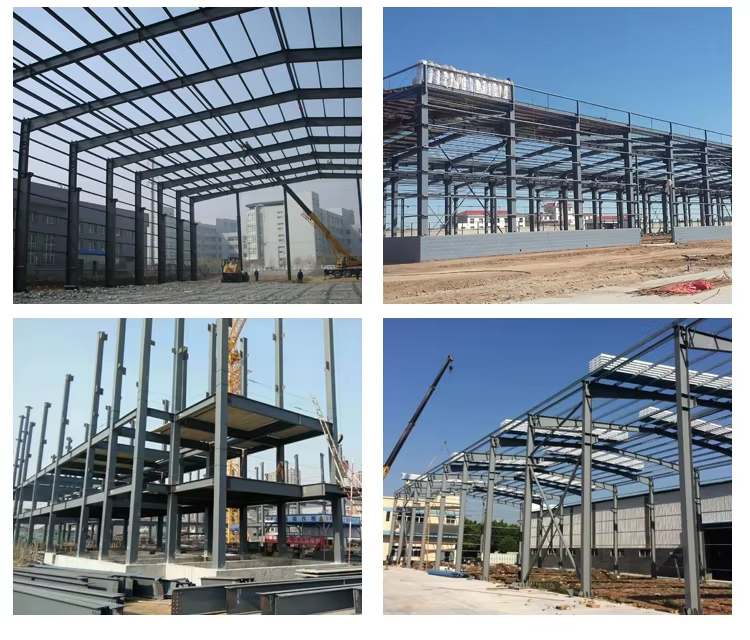
In the global steel supply chain, C grade steel (widely known as CQ in Chinese) is one of the most commonly used and traded steel products. It serves as a foundational material for construction, automotive manufacturing, home appliances, steel structures, and general fabrication.
Many international buyers, importers, and steel processors often ask:
- What exactly is C grade steel (CQ steel)?
- What are the standard grades of CQ steel in hot-rolled, cold-rolled, and galvanized steel?
- How does production differ between state-owned and private steel mills?
- Why is C grade steel so flexible and cost-effective in real-world applications?
In this guide, we break down the core characteristics, grades, production logic, and commercial value of commercial quality steel (C grade steel) to help you make smarter sourcing and production decisions.
1. What is C Grade Steel?
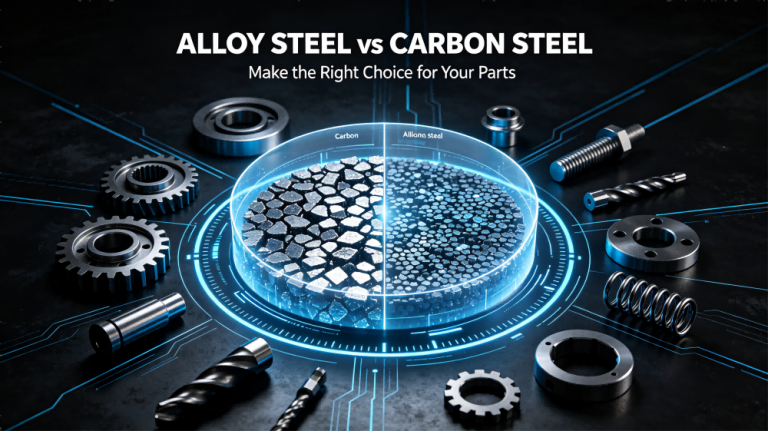
C grade steel is the common name for CQ steel, short for Commercial Quality Steel.
Despite its formal name, it is widely recognized as general-purpose commercial steel, the most mainstream and mass-produced “commodity steel” in the global market. It is designed for basic forming and general applications where high drawing or deep-forming performance is not required.
To better understand its positioning, here is a quick comparison with related steel grades:
- C Grade / CQ (Commercial Quality): General commercial steel, basic forming performance, most widely used.
- D Grade / DQ (Drawing Quality): Drawing quality steel, better formability for stamping parts.
- DDQ (Deep Drawing Quality): Deep drawing quality steel, ultra-high formability for complex deep-drawn components.
Among these, C grade steel (CQ) is the most cost-effective and high-volume product in the steel industry.
2. Typical Grades of C Grade Steel in Different Steel Products
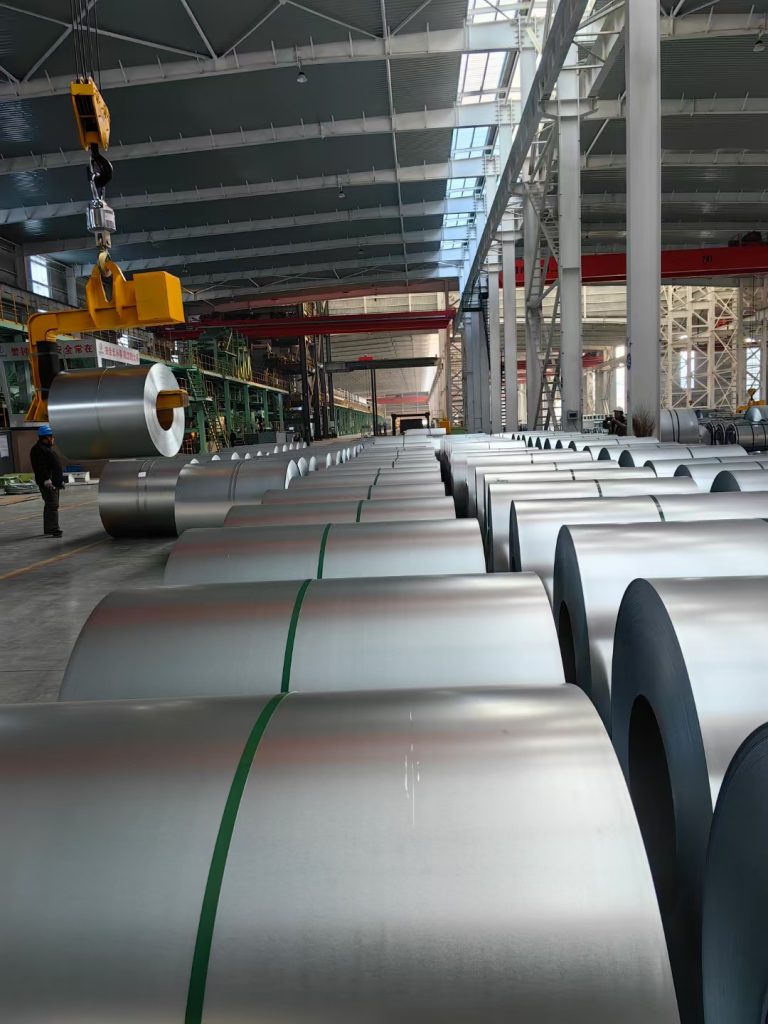
C grade steel is not a single grade but a performance category that corresponds to different standard grades in hot-rolled, cold-rolled, hot-dip galvanized, and electro-galvanized steel.
Below are the most widely recognized C grade steel grades in international trade:
2.1 Hot-Dip Galvanized Steel (HDG)
- C Grade : DX51D+Z
- Features: Basic corrosion resistance, general forming, used in roofing, wall panels, brackets, and general galvanized parts.
2.2 Hot-Rolled Steel (HR)
- C Grade: SPHC
- Features: Hot-rolled commercial quality steel, used for general welding, bending, and structural components.
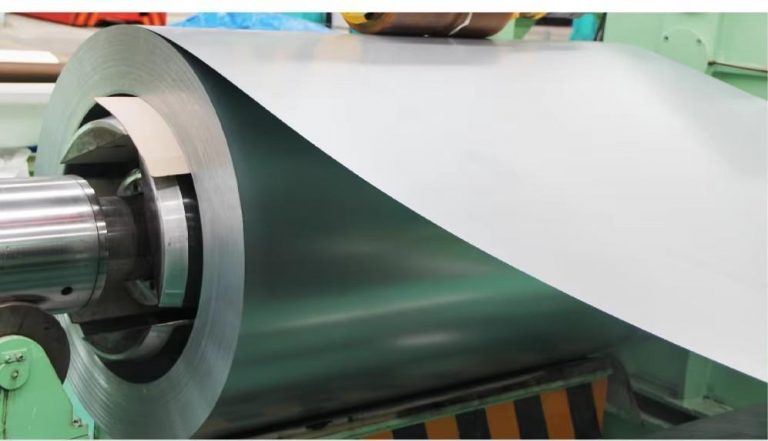
2.3 Cold-Rolled Steel (CR)
- C Grade: SPCC
- Features: Cold-rolled commercial quality steel, smooth surface, suitable for simple bending, welding, and general stamping.
2.4 Electro-Galvanized Steel (EG)
- C Grade: DC01+ZE / DC01E+Z
- Features: Electro-galvanized CQ steel, used in home appliance shells, electrical enclosures, and light stamping parts.
These are the standard commercial quality steel grades recognized in global markets, each representing C grade steel for different product forms.
3. Production Flexibility: The Core Advantage of C Grade Steel
The real value of C grade steel lies in its outstanding production flexibility, which differs significantly between state-owned and private steel mills.
3.1 Production Logic in State-Owned Steel Mills
Large state-owned steel mills typically produce C grade steel strictly according to national and international standards (such as JIS, EN, GB).
Production is organized by fixed grade, composition, and performance, ensuring high stability and consistency for large-scale bulk orders.
3.2 Flexible Production in Private Steel Mills
Private steel mills excel at optimizing C grade steel performance through process adjustment, making it extremely adaptable in the market:
- Low-carbon C grade steel: With high elongation potential. Through high-temperature annealing, its elongation can easily exceed 40%. Although its uniform forming ability is slightly lower than special deep-drawing steel, it can often replace medium-grade drawing steel in non-critical parts.
- High-carbon C grade steel: Its yield strength can reach up to 235MPa, making it a practical substitute for Q195 structural steel in many applications.
This flexibility makes C grade steel extremely popular among private steel mills. It simplifies production management while allowing performance tuning to capture higher added value in the market.
Conclusion
Understanding C grade steel (commercial quality steel) is essential for anyone involved in the steel industry—including steel mills, traders, importers, fabricators, and procurement teams.
Mastering the grades (SPCC, SPHC, DX51D+Z, DC01+ZE), performance characteristics, and production differences of CQ steel helps improve operational efficiency, optimize material selection, control costs, and maintain stable profit margins.
In a highly competitive global steel market, continuous learning and professional knowledge of commercial quality steel will always be the key to staying competitive.