Stainless Steel Wire Mesh: Manufacturing Process, Quality Control and Application Scenarios
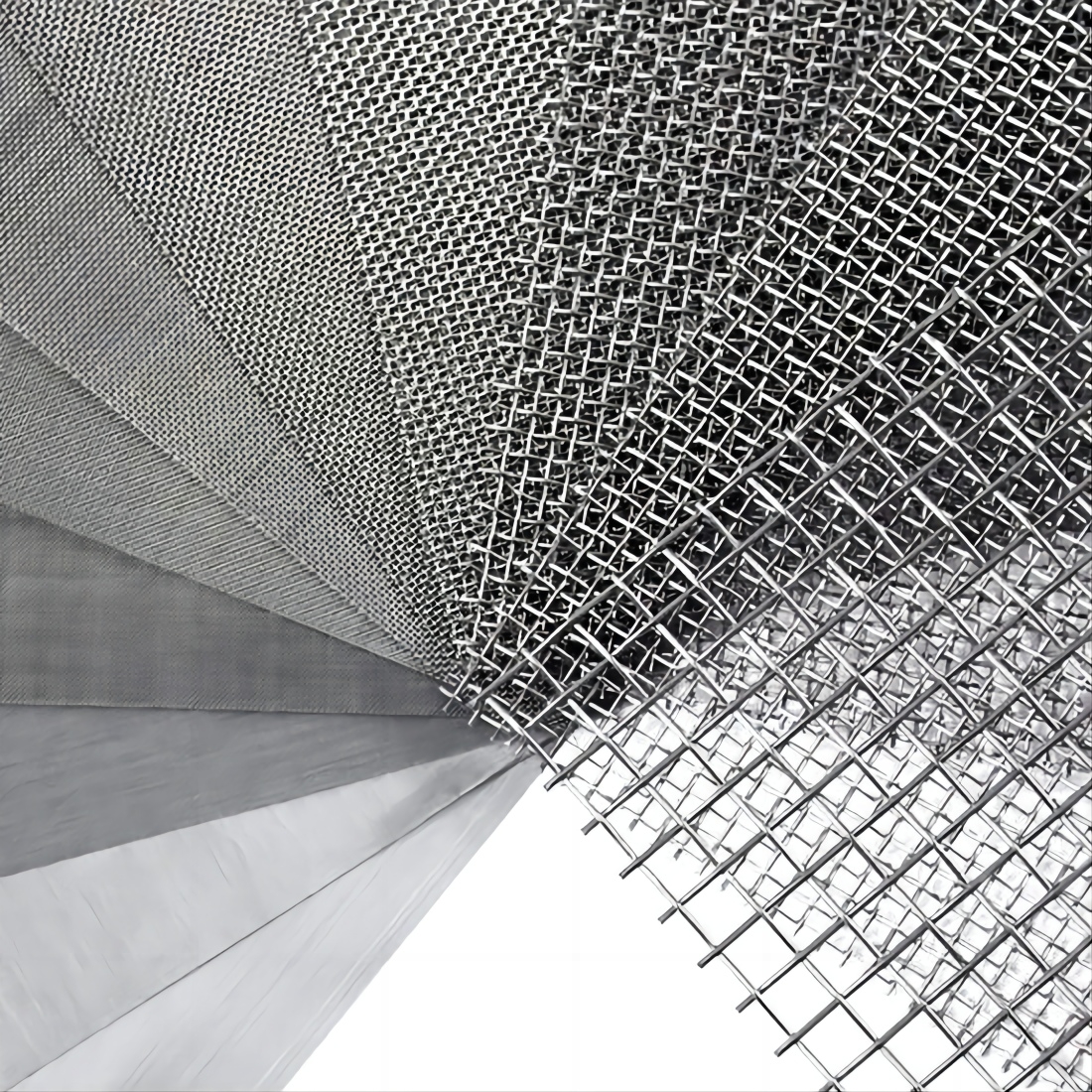
When it comes to durable, corrosion-resistant, and multi-functional metal materials for modern industry, construction and daily use, stainless steel wire mesh always ranks among the most popular choices worldwide. Made from high-grade stainless steel grades including 304, 304L, 316, and 316L, this mesh product boasts exceptional rust resistance, high temperature tolerance, strong tensile strength and long service lifespan. Not only can it withstand harsh outdoor weather, but it also performs perfectly in corrosive chemical environments where ordinary iron wire mesh would quickly deteriorate. Thanks to its flexible structure, customizable mesh count and diverse weaving types, stainless steel wire mesh has become an essential material for filtration, screening, protection and decoration across countless industries.
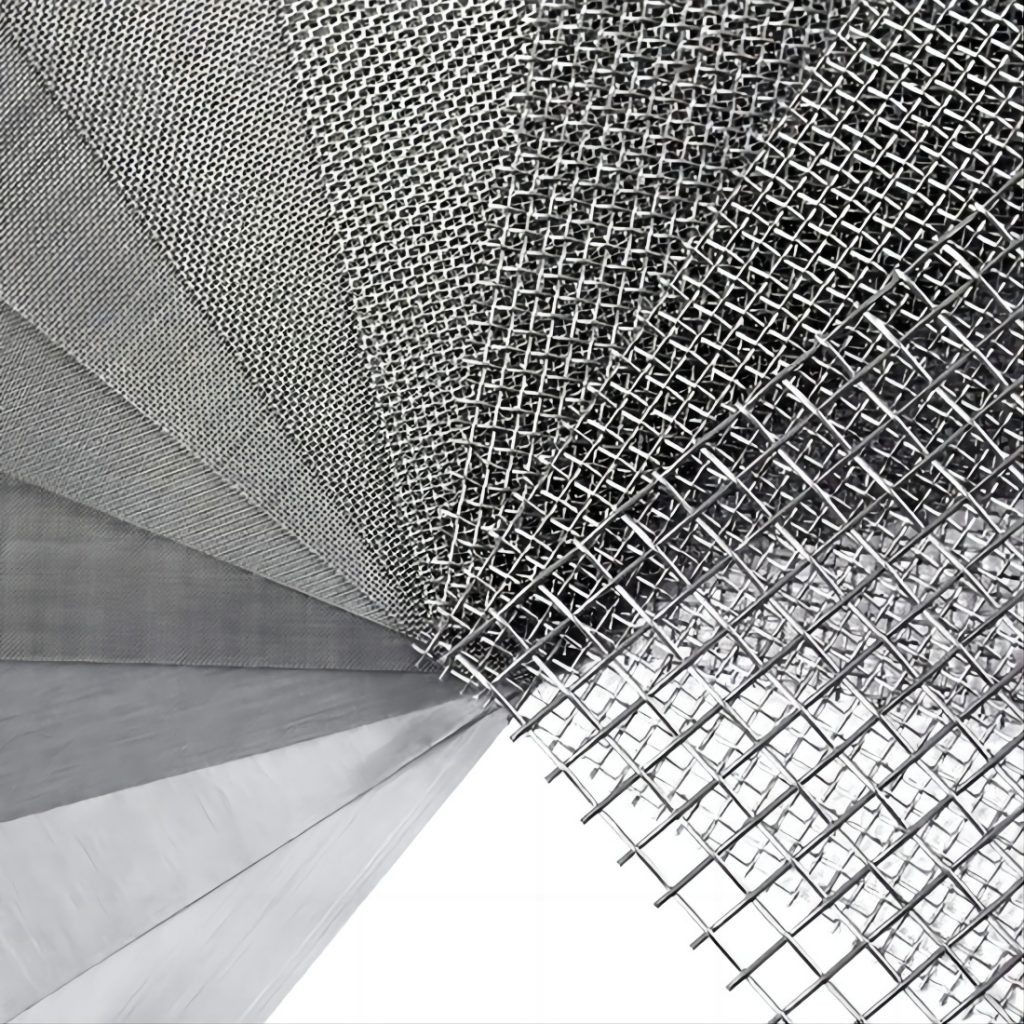
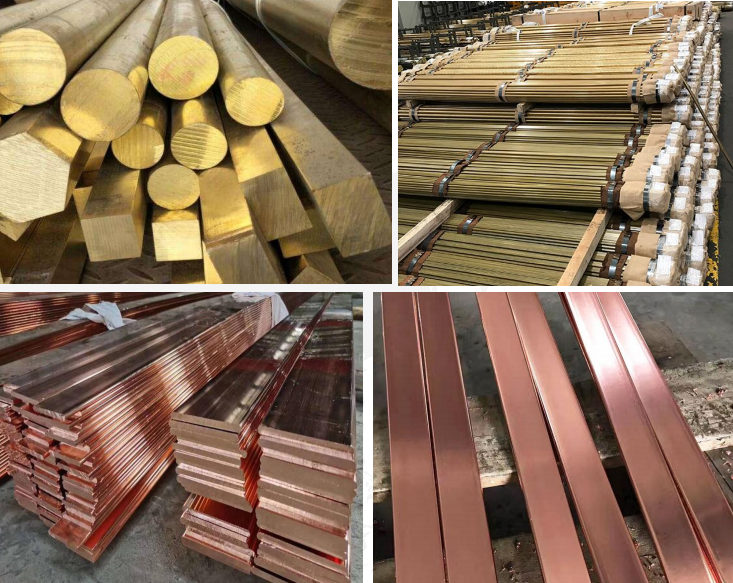
First and foremost, the overall performance of stainless steel wire mesh largely depends on its strict and systematic manufacturing process, and every step is carefully controlled to ensure stable and reliable finished quality. To start with raw material selection, professional manufacturers only adopt certified stainless steel wire rods with stable chemical composition. Before formal production, each batch of raw wires will go through composition inspection to exclude unqualified materials from the very beginning. After material confirmation, the wires undergo precise wire drawing and surface smoothing to achieve accurate wire diameter, uniform thickness and smooth surface finish.
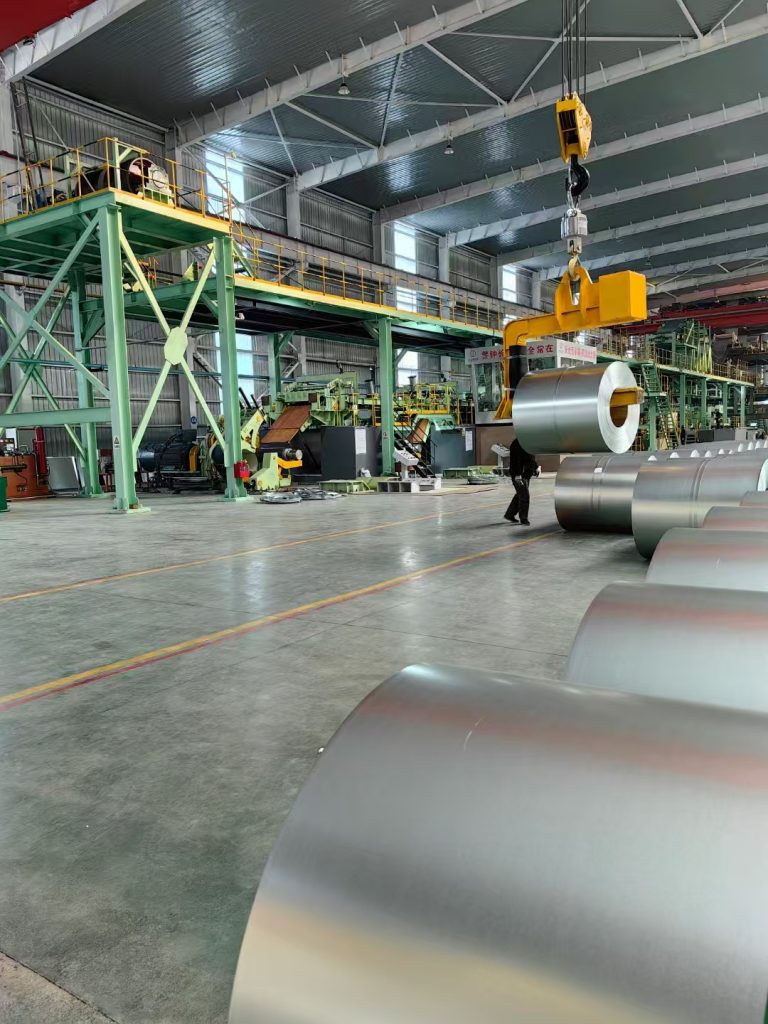
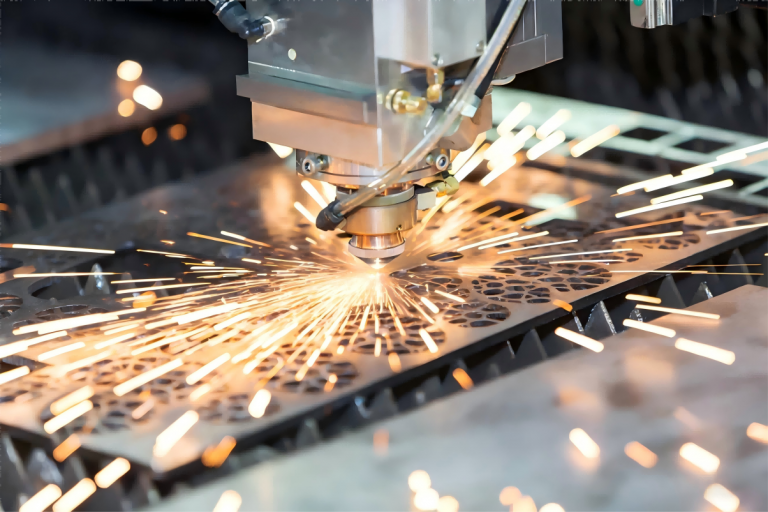
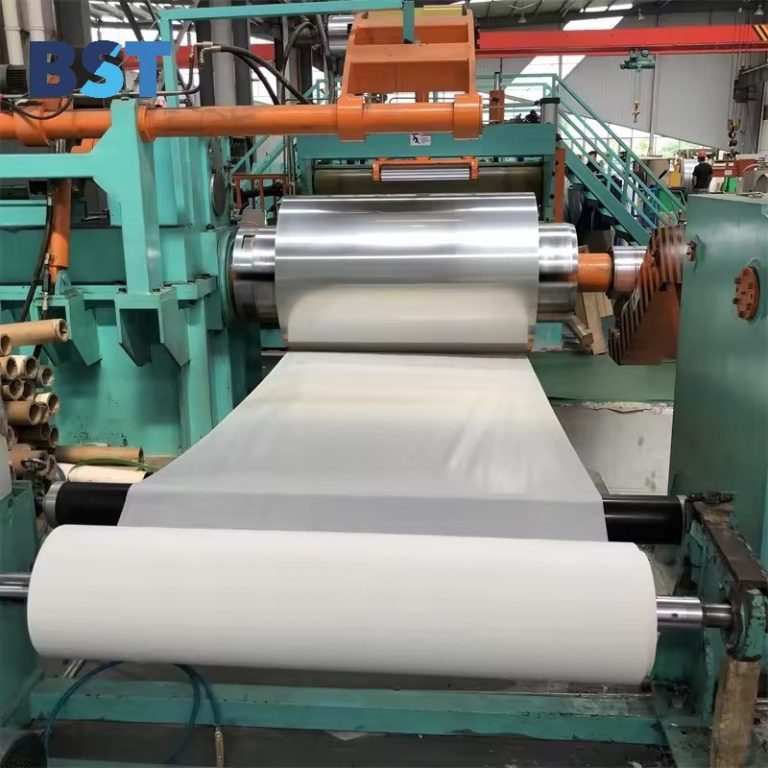
Once the steel wires meet standard requirements, they move on to the core weaving procedure. In general, stainless steel wire mesh mainly adopts plain weave, twill weave and Dutch weave techniques. Professional weaving machines arrange warp and weft wires neatly in order, forming uniform mesh holes with tight and neat structure. After weaving is completed, the mesh will go through pickling, passivation and polishing treatment. These surface procedures effectively remove oxide layers, oil stains and burrs, while greatly improving the corrosion resistance and oxidation resistance of the stainless steel wire mesh. Finally, according to customer demands, the mesh is cut into customized sizes, flattened, inspected and sealed in standard packaging for shipment.
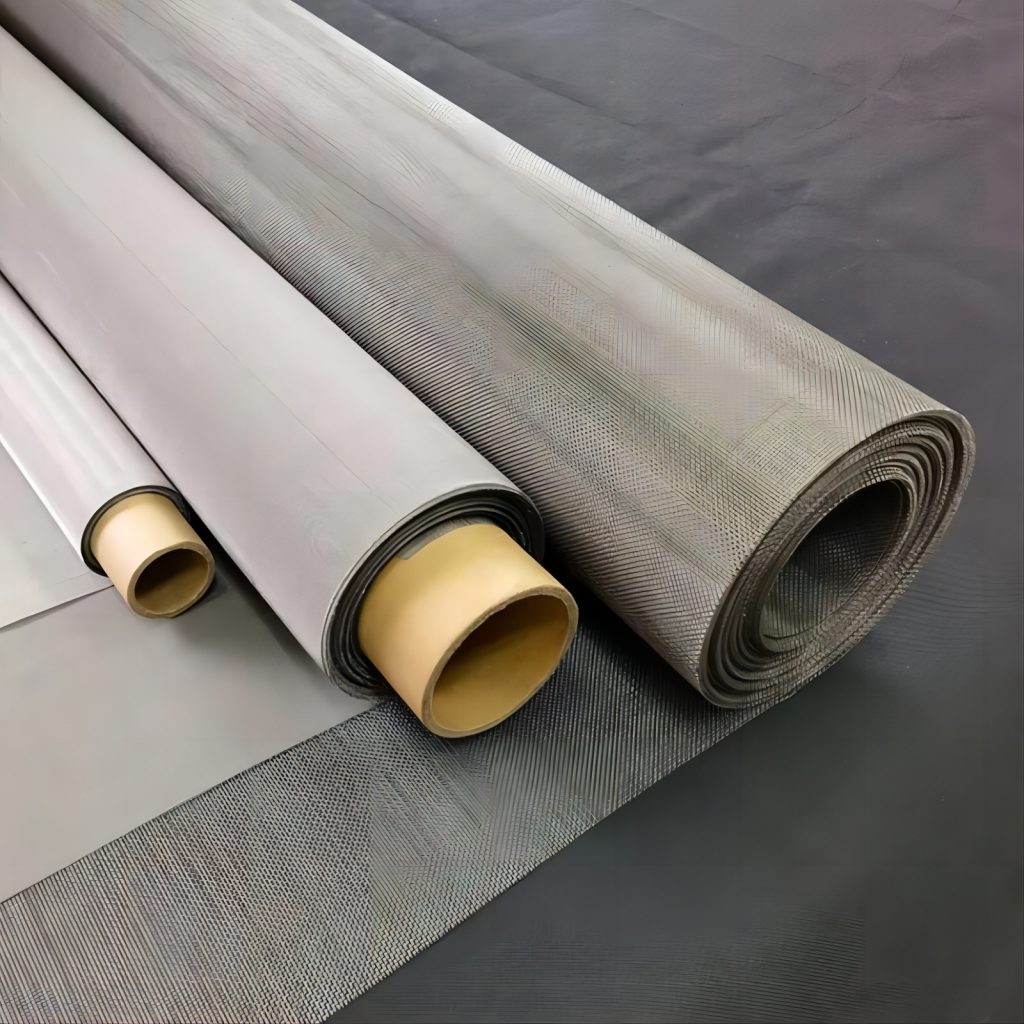
Apart from sophisticated production procedures, strict quality control is another core guarantee for premium stainless steel wire mesh products. In fact, quality inspection runs through the entire production flow rather than only checking finished goods. At the raw material stage, manufacturers test wire diameter, material hardness and chemical components one by one to avoid raw material defects. During weaving production, workers constantly monitor mesh count, aperture size and weaving tightness to prevent uneven holes or loose wiring.
Furthermore, finished product quality control covers multiple professional testing items. It includes dimensional tolerance checking, tensile strength testing, salt spray corrosion testing and visual appearance inspection. Salt spray testing is especially critical, as it simulates long-term humid and corrosive working conditions to verify the rust-proof ability of the mesh. Meanwhile, all qualified products will be recorded with batch numbers, realizing full production traceability. By following standardized quality management systems, manufacturers ensure every piece of stainless steel wire mesh delivered to the market meets international industry standards.
With superior raw material performance, mature manufacturing technology and rigorous quality control, stainless steel wire mesh now covers extremely wide application scenarios in various fields. In industrial fields, it is widely used for liquid filtration, solid-liquid separation and particle screening in chemical, food, pharmaceutical and mining industries. In petrochemical and power plants, high-grade 316 stainless steel wire mesh is commonly used for high-temperature filtration and equipment protection isolation.
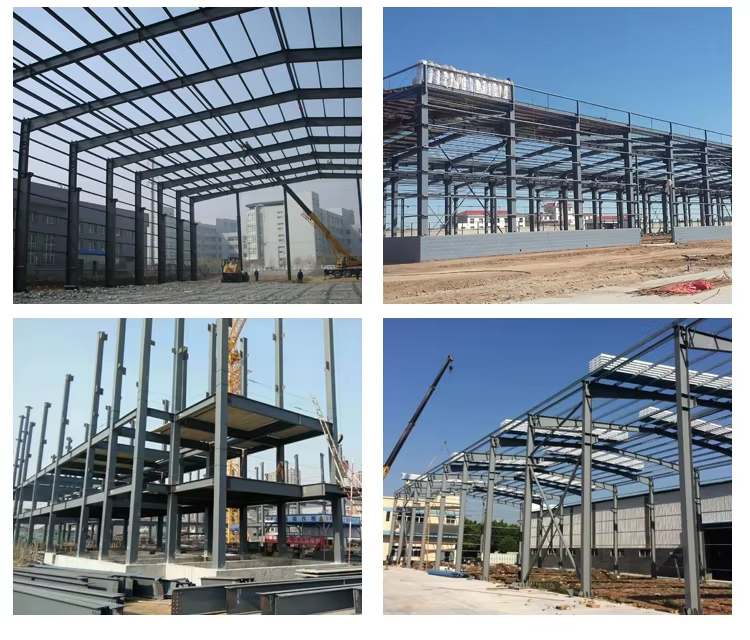
In construction and architectural decoration, stainless steel wire mesh serves as wall anti-crack mesh, concrete reinforcement mesh, facade decorative mesh and safety isolation mesh. It perfectly combines structural practicality and modern aesthetic effect. In municipal engineering and daily life, it is widely applied in anti-theft window screens, garden fence mesh, road isolation nets and sewage treatment filtration. In addition, it is also commonly used in aerospace, marine engineering and agricultural screening due to its stable performance and strong environmental adaptability.
All in all, stainless steel wire mesh is a high-value metal material that integrates excellent raw material performance, standardized manufacturing process and strict quality control. As all industries continue to develop and upgrade, the market demand for high-quality stainless steel wire mesh keeps rising steadily. Whether you need it for industrial filtration, construction reinforcement, safety protection or architectural decoration, high-standard stainless steel wire mesh can always provide stable, durable and cost-effective solutions for global customers.